Tourism · Analysis
Kazakhstan’s untouched nature: huge potential, infrastructure that must speed up
With turquoise mountain lakes, red canyons and endless steppe, Kazakhstan is one of the last undiscovered destinations for travellers seeking nature away from the crowds. Visitor numbers are rising fast – but accommodation and infrastructure are not keeping pace.
Let’s talk about your tourism projectUnique, unspoilt landscapes
Across an area almost the size of Western Europe, Kazakhstan brings together desert, steppe, forest and glaciated peaks. The scenery changes over hundreds of kilometres – yet in many places one thing stays the same: silence.
The lakes at the foot of the Tian Shan, the healing waters of Alakol and the pine forests of Burabay have not yet met mass tourism. Visitors find a sense of first discovery that has been lost in much of the world.
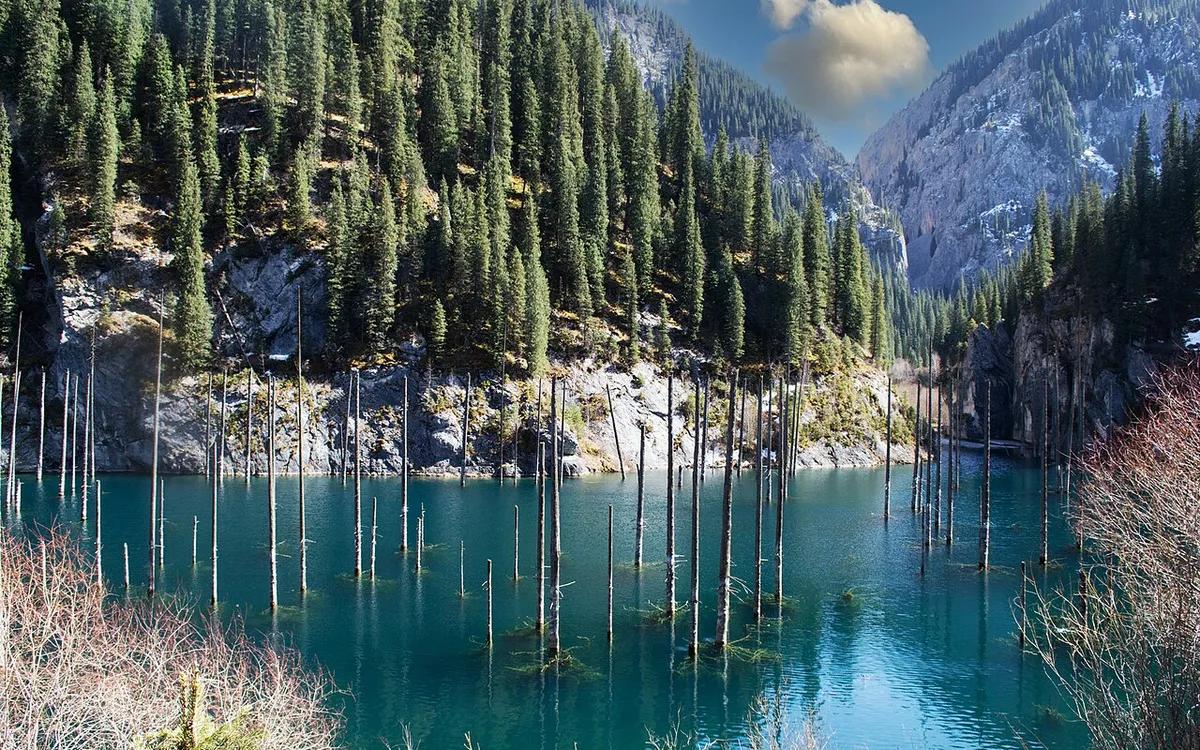
Kolsai and Kaindy lakes
Turquoise lakes in the Tian Shan; a sunken forest rises from Kaindy’s water.
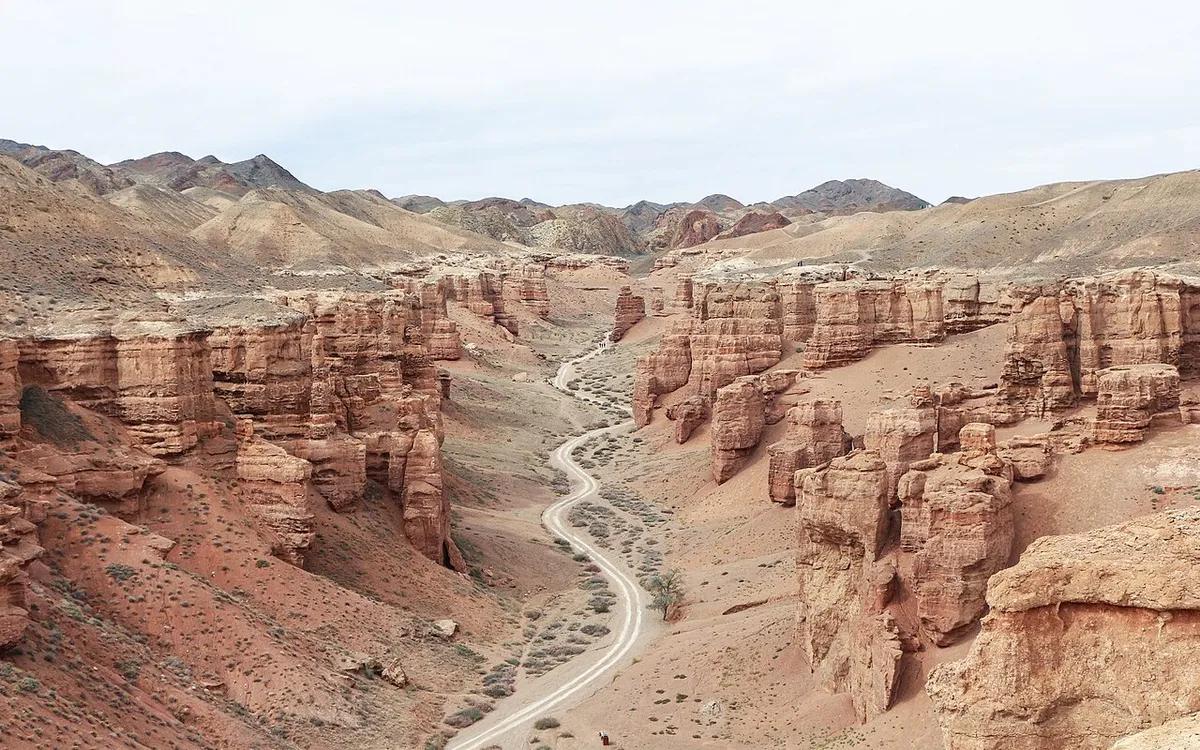
Charyn Canyon
Red rock walls – one of the region’s most striking geological formations.
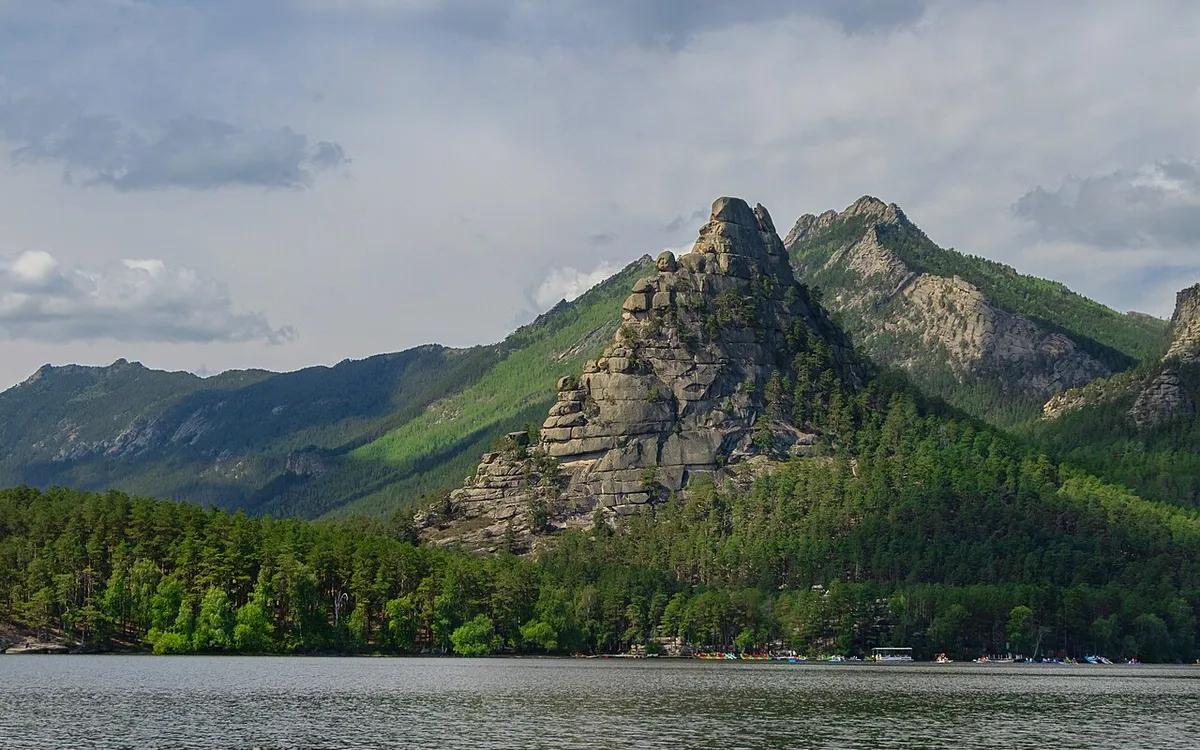
Burabay
The “Kazakh Switzerland” of pine forests and rocky lakes.
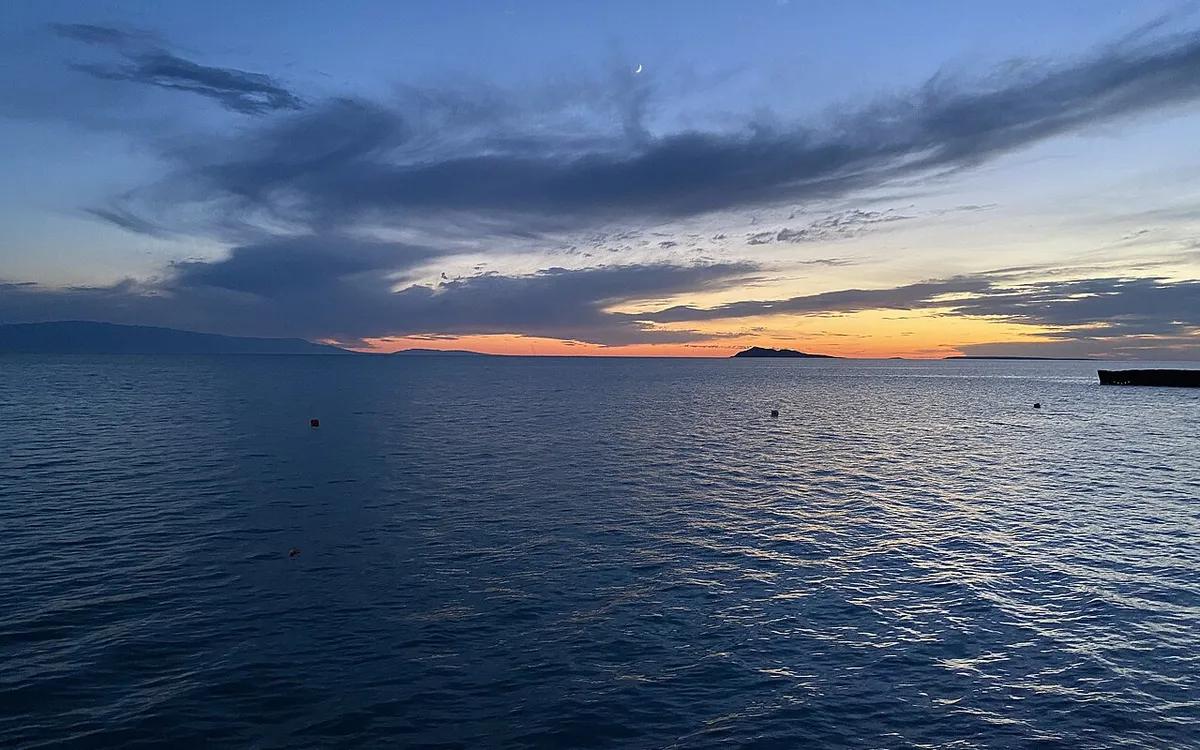
Alakol and Balkhash
Long shorelines and wide potential for summer tourism.
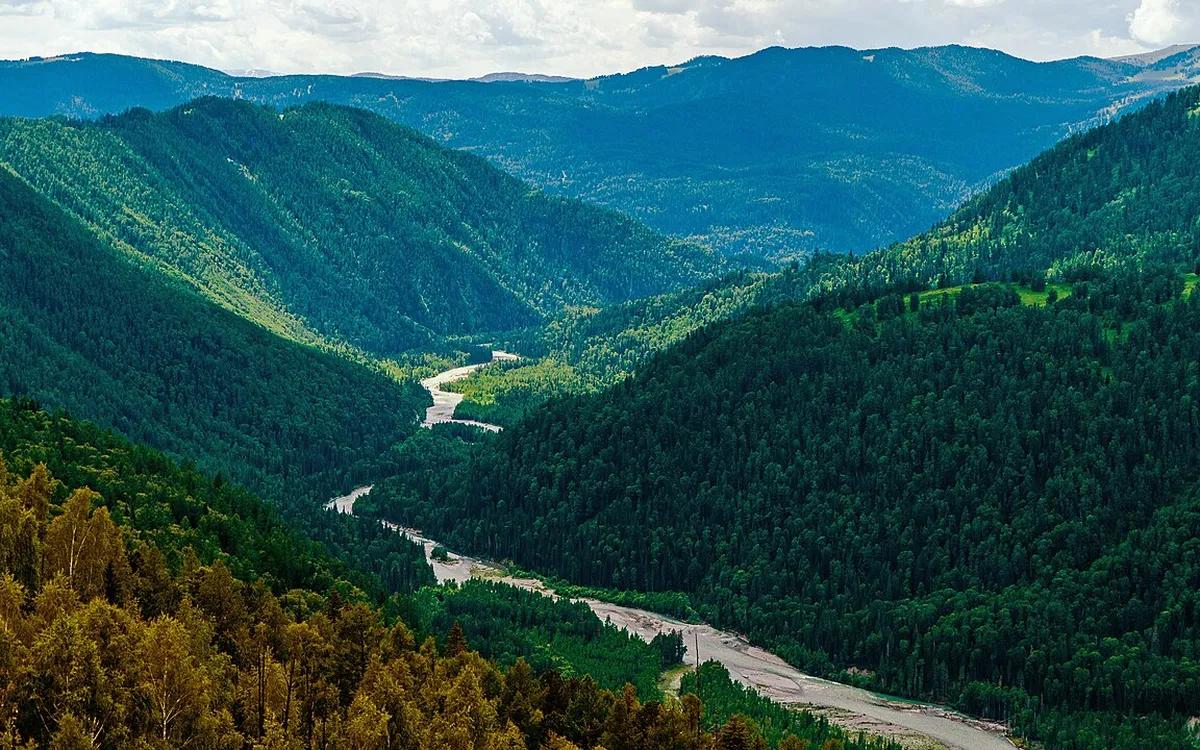
Altai and Katon-Karagai
National park, hot springs and wilderness routes.
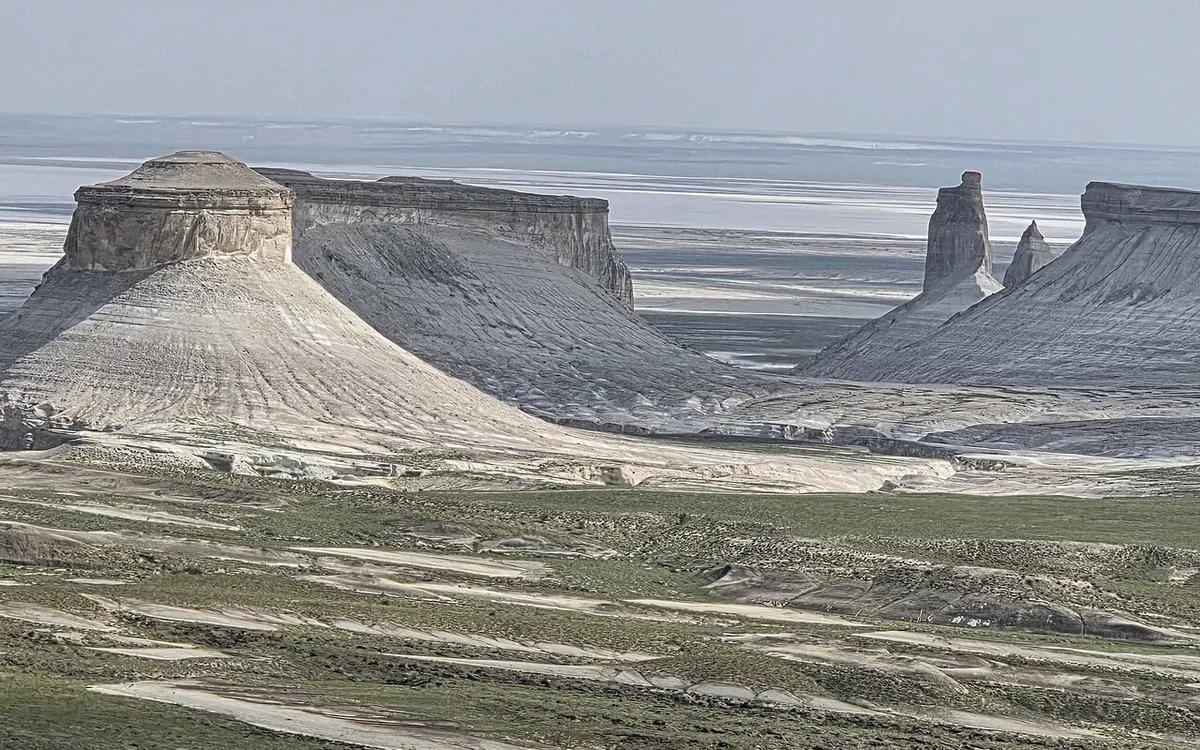
Mangystau and the Caspian coast
Desert landscapes, underground mosques and the sea.
Rising demand in numbers
Kazakhstan’s tourism has grown strongly in recent years, and the state backs that growth with official targets.
- foreign visits for tourism, 2025 (2023: 9.2 mn)
- 15.7 mn
- foreign visits for tourism, 2025 (2023: 9.2 mn)
- spending by foreign tourists, 2025
- $2.9 bn
- spending by foreign tourists, 2025
- tourism investment over two years
- ₸2.2 trn
- tourism investment over two years
- 2029 target: total bed capacity
- 280,000
- 2029 target: total bed capacity
Source: Ministry of Tourism and Sport of Kazakhstan; Tourism Industry Development Concept 2023–2029 (Government Decree No. 262).
The bottleneck: infrastructure lags behind demand
Demand is growing faster than supply. Accommodation facilities rose from 3,992 in 2023 to 4,482 in 2025, yet in peak season beds are scarce, above all in Almaty and the lake regions. Government officials themselves point to the shortage of beds at peak times.
It is not only about beds. Many natural sites still lack roads, water, power and basic services, and service quality often does not match star ratings. The state plans extensive road works to resort regions and new regional airports in 2026 – but investment in facilities has to follow at the same pace.
- 1
Bed shortage
In peak season, lodging at lakes and in the mountains falls short.
- 2
Long build times
Conventional hotels take years in remote regions; the short season makes that costlier.
- 3
Service and standards
High-quality, sustainable facilities to international standards are needed.
The answer: lodging that grows fast without harming nature
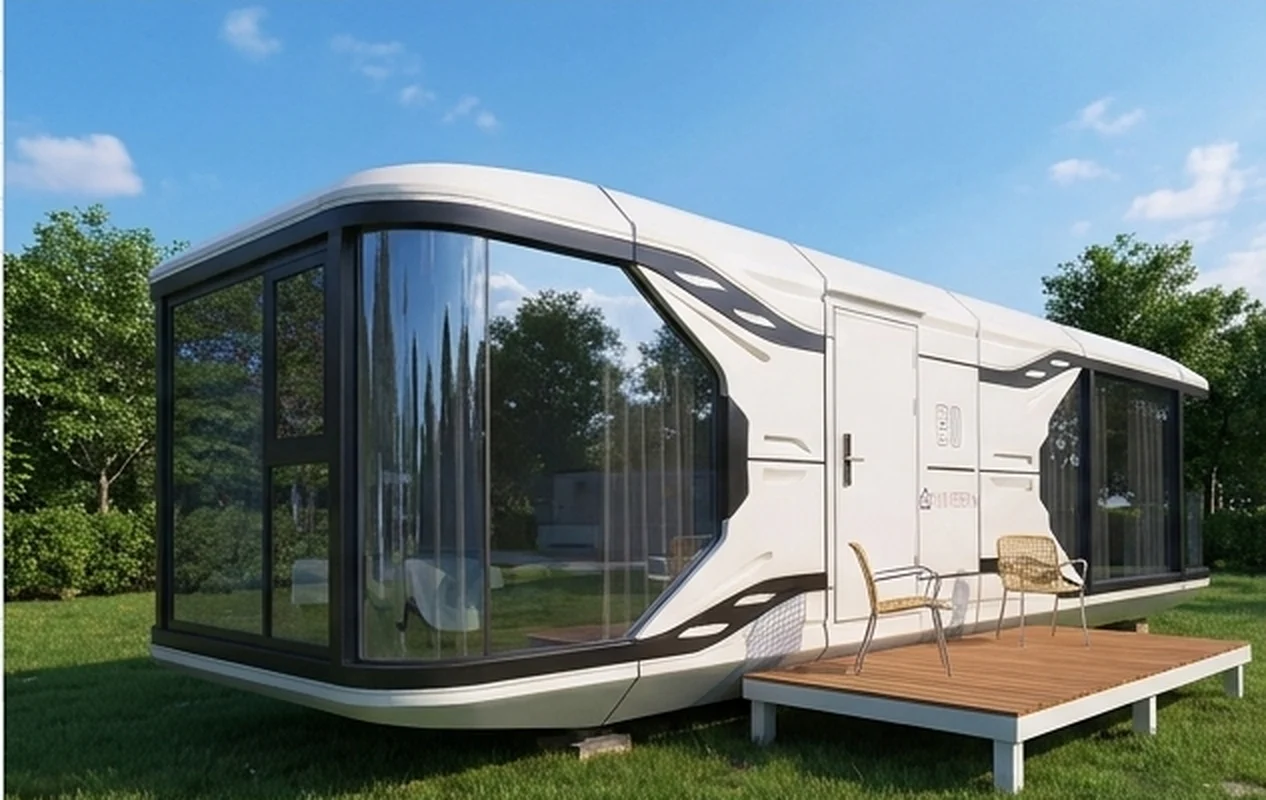
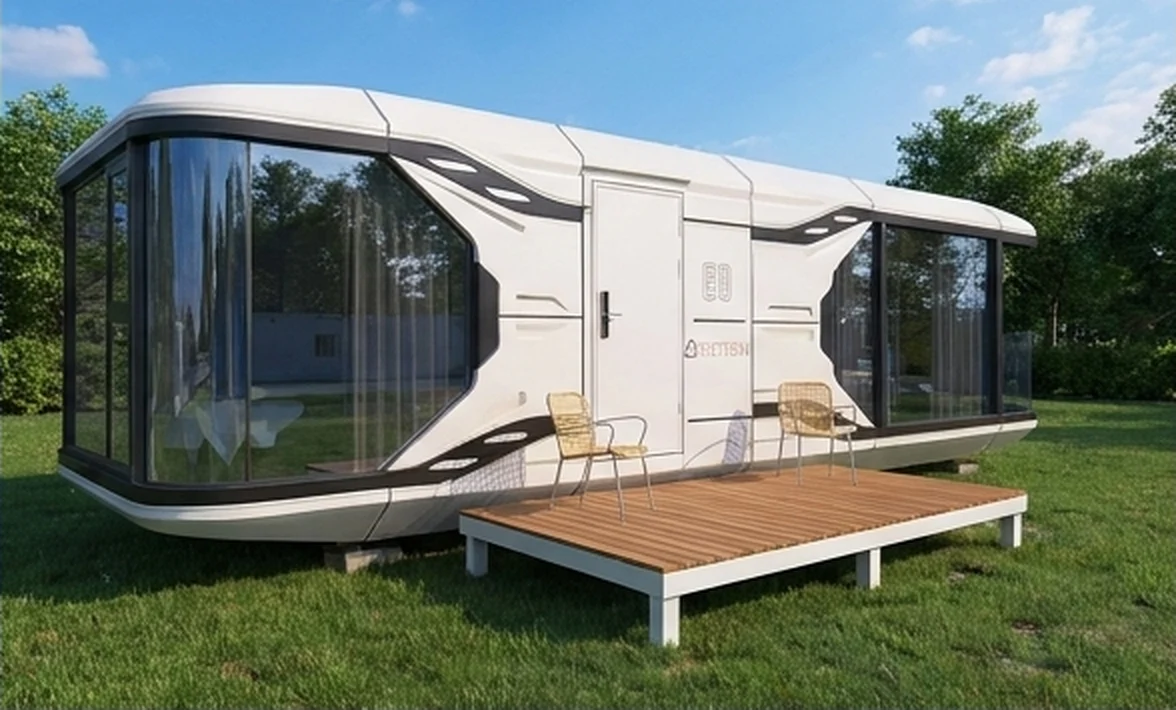
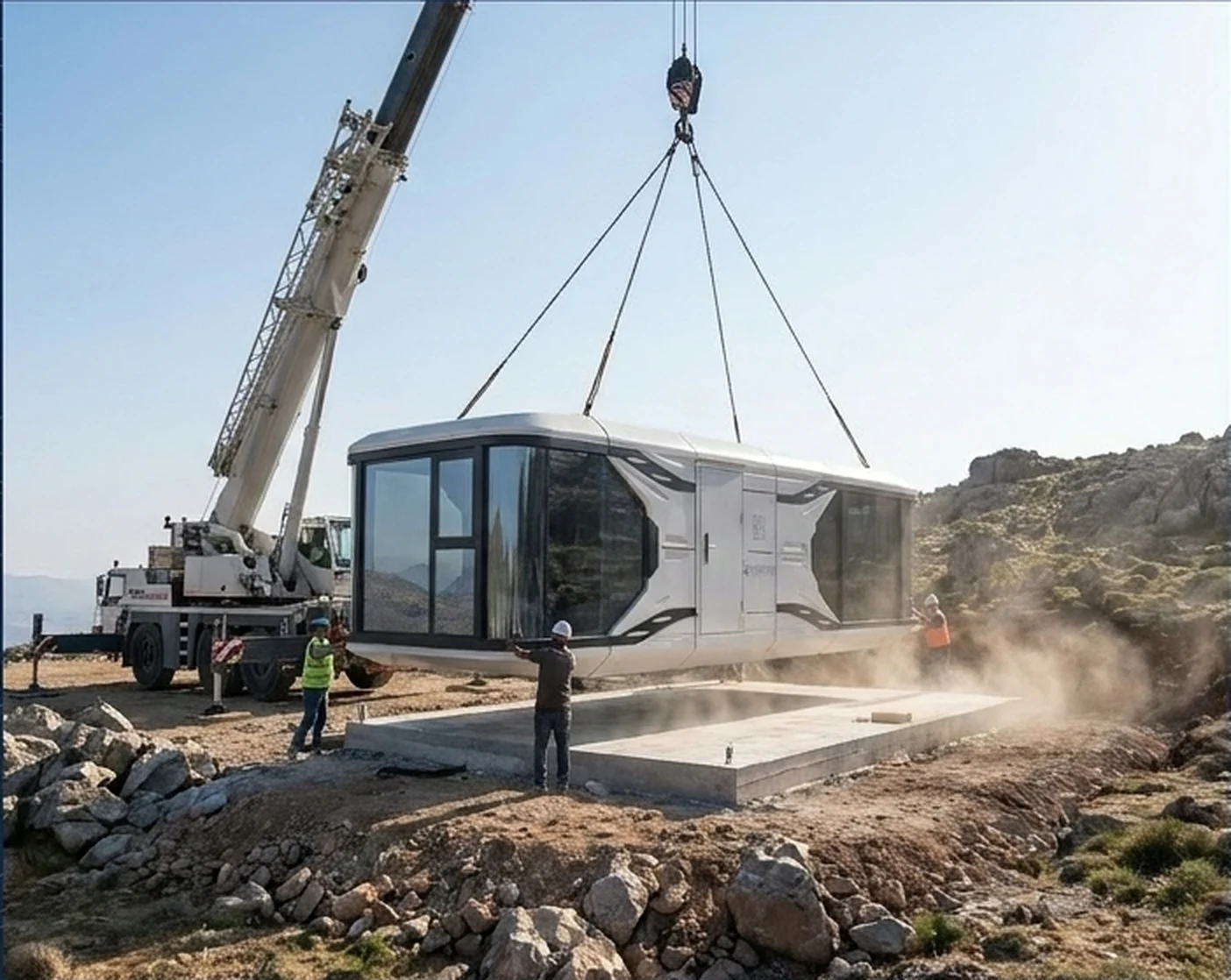
Modular, prefabricated lodging units are the fastest way through this bottleneck. Factory-built capsule houses and cabins arrive ready, are set by crane in a few hours and rest on light foundations – lakeside, on a mountain slope or in the steppe – without leaving a permanent scar on the landscape.
The model also allows growth in stages: start with a few units in the first season and expand with demand. Payback is markedly shorter than for conventional hotel construction.
Fast installation
Each unit placed within hours, with no construction mess.
Respect for nature
Light foundations and removable structures keep the land natural.
Four seasons
Layered insulation and Low-E glass: comfort from −40 °C to +60 °C.
Staged investment
Start small, grow with demand; shorter payback.
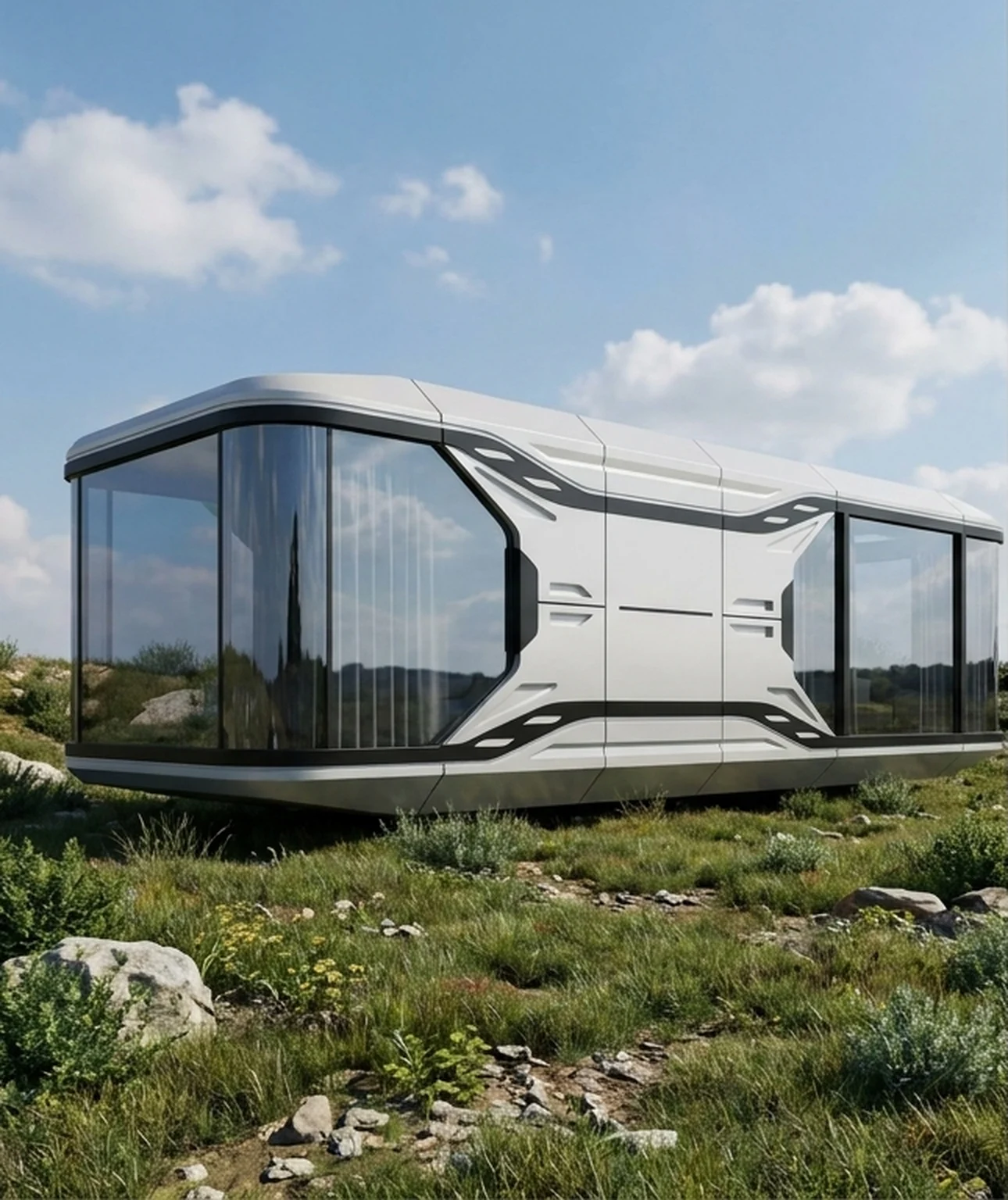
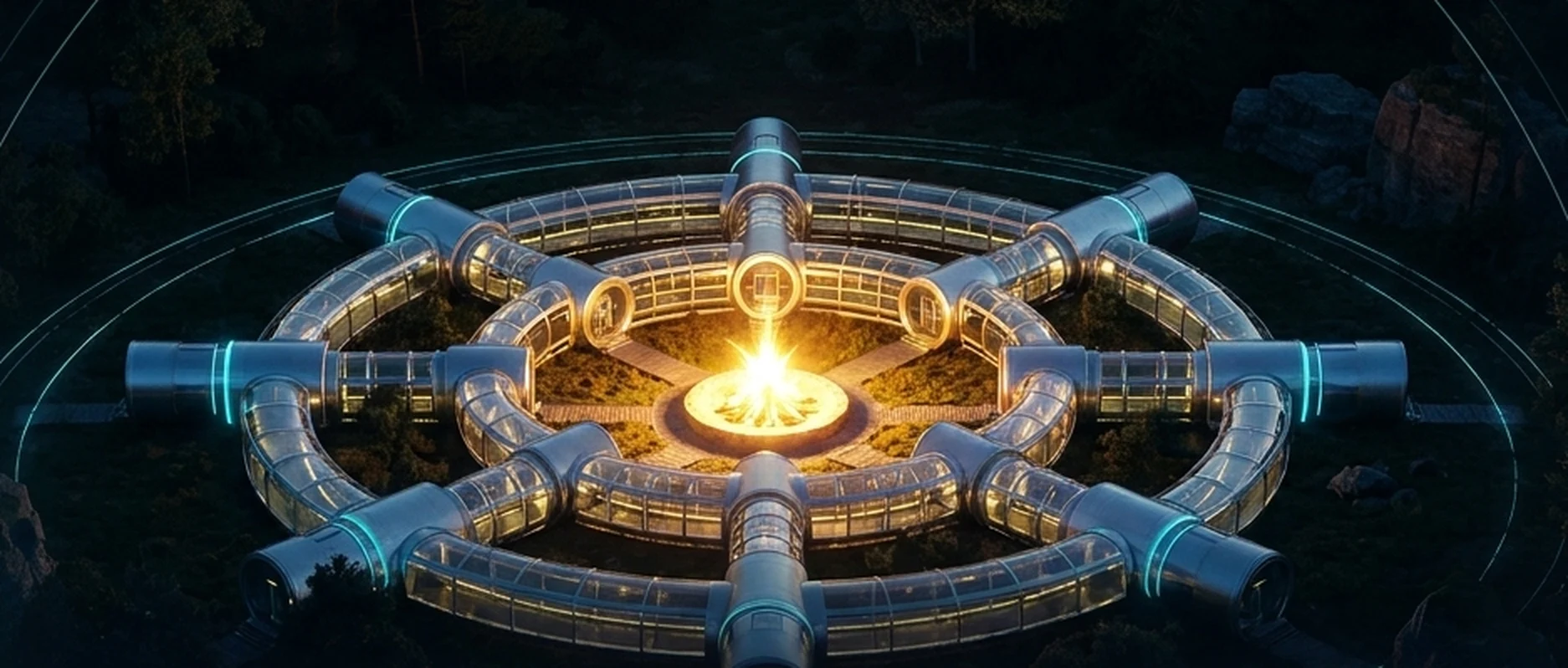
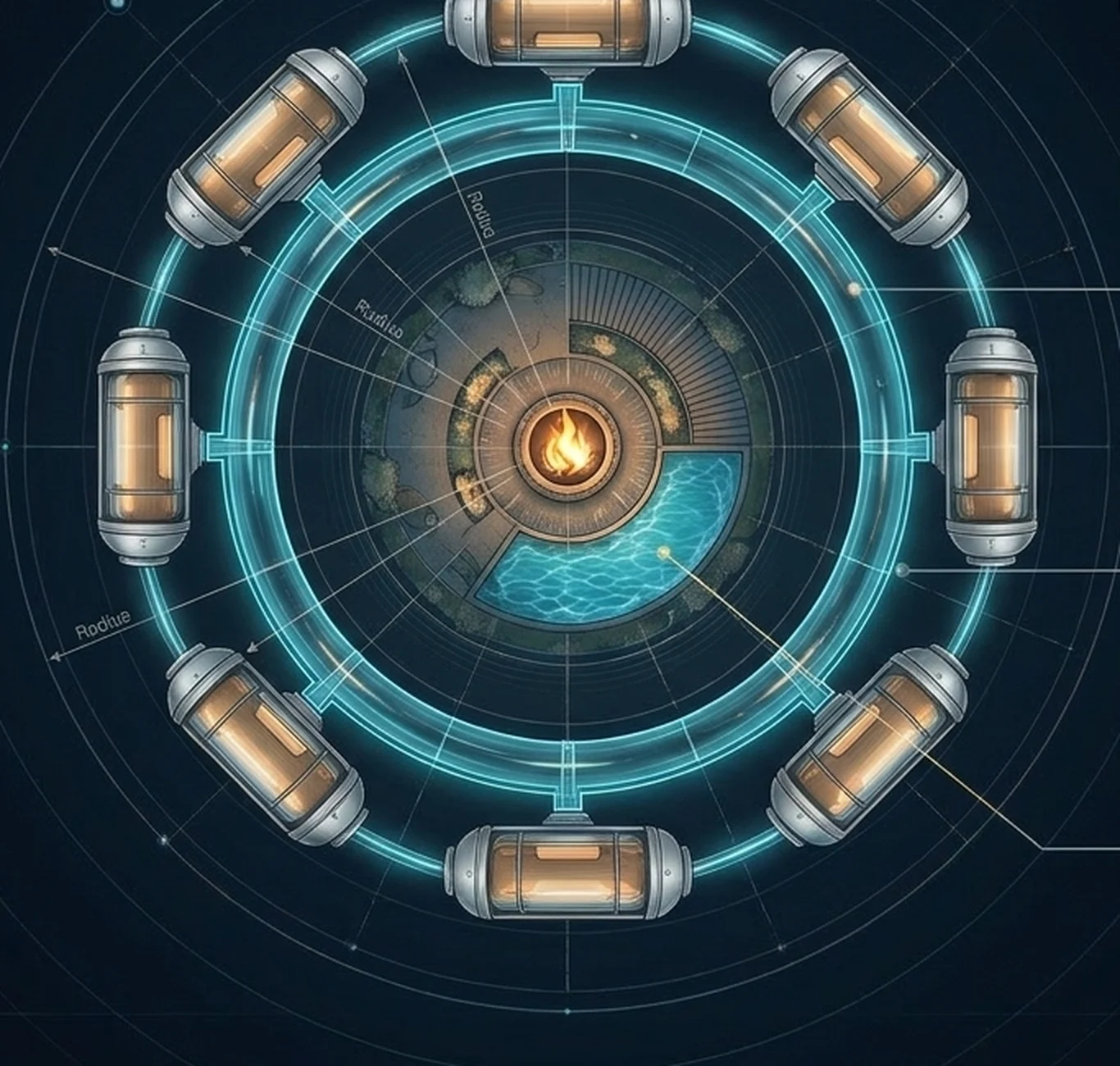
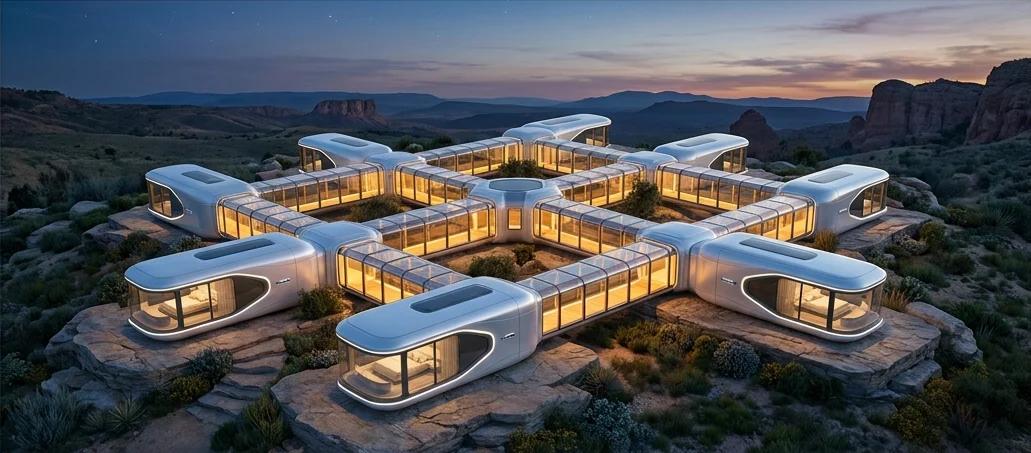
Concept: a circular eight-module living base
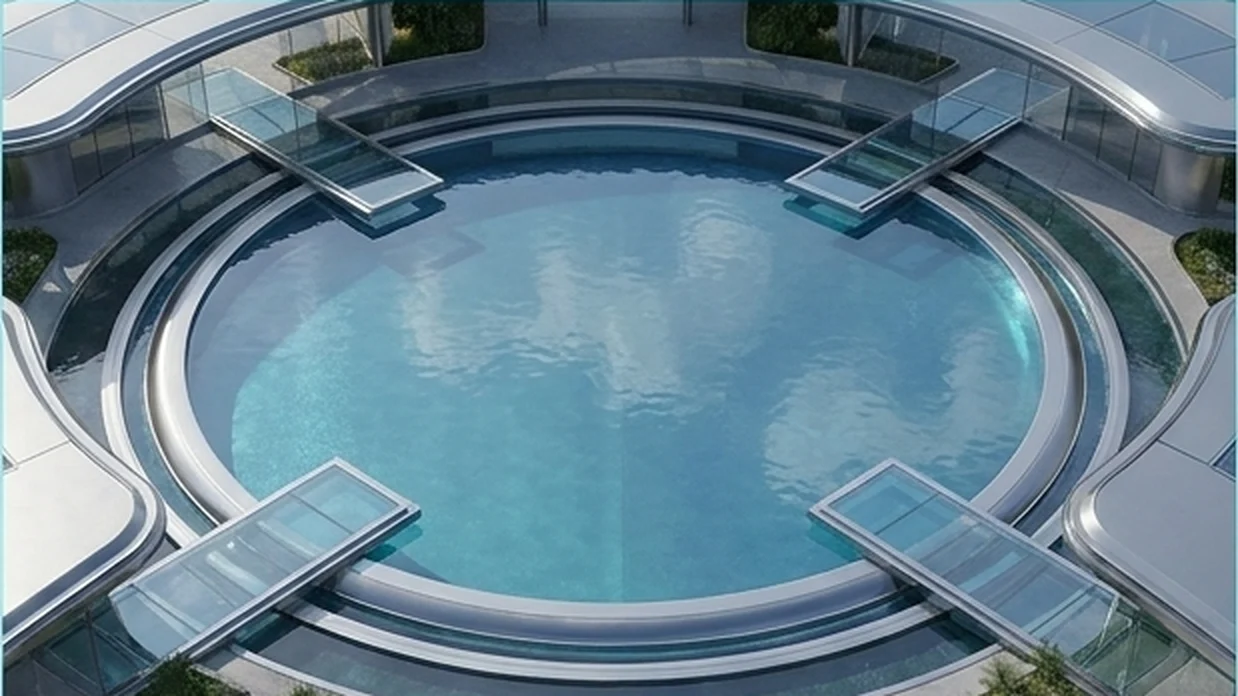
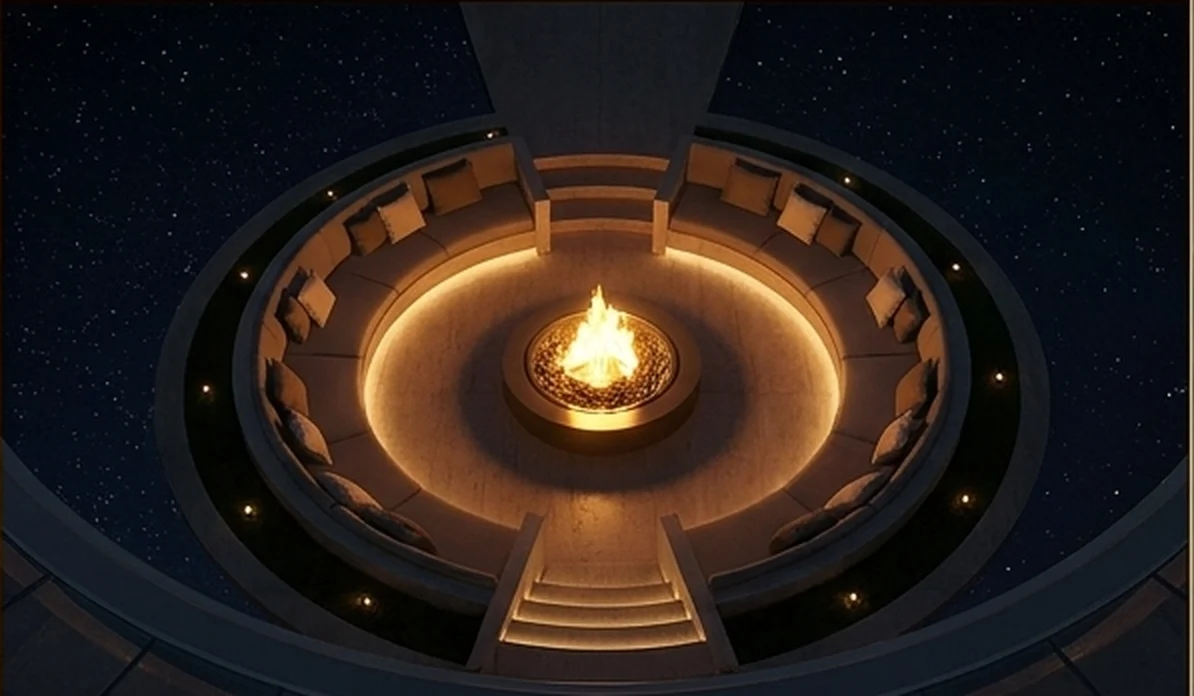
Developed by Hofmann Invest, this concept links eight luxury capsule houses through glazed, climate-controlled corridors into a self-sufficient retreat in the heart of nature.
- connected capsule modules
- 8
- connected capsule modules
- net floor area per module
- 36.8 m²
- net floor area per module
- total enclosed living space
- ~300 m²
- total enclosed living space
- panoramic glazing
- 270°
- panoramic glazing
Private living
Master bedroom and multi-bed room, each with bathroom and wardrobe.
Work and wellness
Work and meeting module; wellness and spa with jacuzzi.
Social and dining
Gourmet kitchen, large dining table and games lounge.
Guest suites
Two independent suites with kitchen and balcony.
Fast to install, built to last
- 1
Plug and play
The factory-finished module is set by crane within hours.
- 2
Quick integration
Water, power and glass-corridor connections follow straight away.
- 3
Ready for guests
Architecture, technology and comfort – operating in a short time.
- Dimensions
- 11.5 m × 3.2 m × 3.2 m; about 8 t steel chassis per module.
- Shell
- Hot-dip galvanised steel frame and aerospace-grade aluminium cladding.
- Insulation
- PU foam, rock wool and Low-E double glazing; high sound and heat insulation.
- Smart home
- Smart lock, climate, lighting and blind control.
What Hofmann Invest does
We guide tourism investors in Kazakhstan from the first idea to opening day.
- Site and location analysis at lakes, mountains and canyons
- Feasibility, capacity and payback
- State incentives and investment agreements
- Sourcing, logistics and installation of the modules
- Water, energy and access planning, and the operating model
Kazakhstan’s nature is ready. What is missing are quality facilities, built fast, that open it to the world. Those who close this gap first will hold the most valuable tourism locations of the coming decade.
Let’s talk about your tourism project
Share your location idea, capacity and budget – together we will work out the concept, incentives and payback.
- Location and land proposals
- Concept, capacity and investment amount
- Incentive and financing options
- Schedule and operating model
Sources: Government and Ministry of Tourism and Sport of Kazakhstan; Tourism Concept 2023–2029; Kazinform; The Astana Times. Visuals: Hofmann Invest concept study.
Destination photos (Wikimedia Commons, cropped): Kolsai and Kaindy lakes © Anna Powaska, CC BY-SA 4.0 · Charyn Canyon © Bgag, CC0 · Burabay © Yelena Shander, CC BY-SA 4.0 · Alakol and Balkhash © Ruslanulyaki, CC BY-SA 4.0 · Altai and Katon-Karagai © Picasso.dm, CC BY-SA 4.0 · Mangystau and the Caspian coast © IvarT, CC0