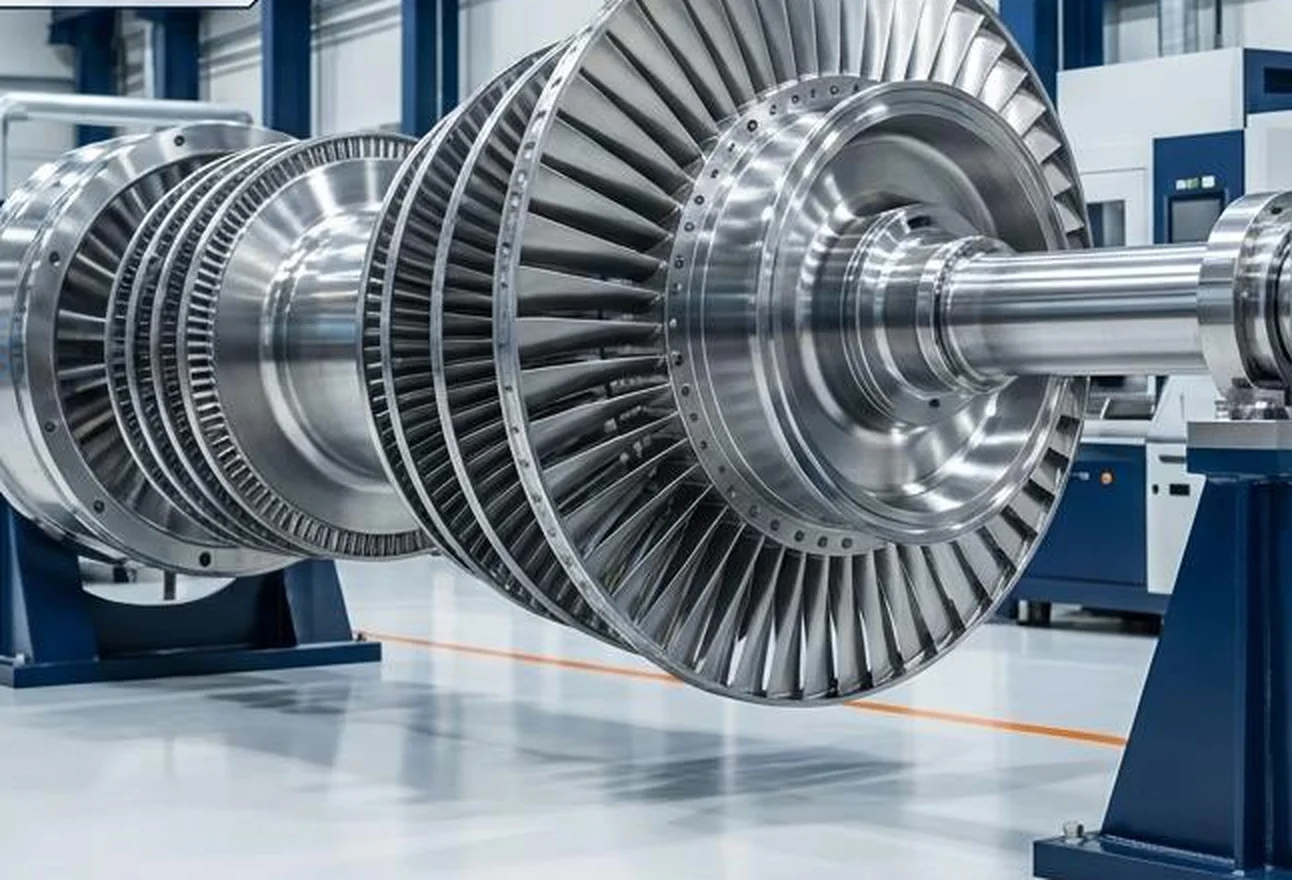
Generate your own energy from natural gas
Uninterrupted industrial energy from natural gas: “zero-hour” refurbished gas turbines and cogeneration
- Power + steam
- Grid-independent
- Commissioning in 3–6 months
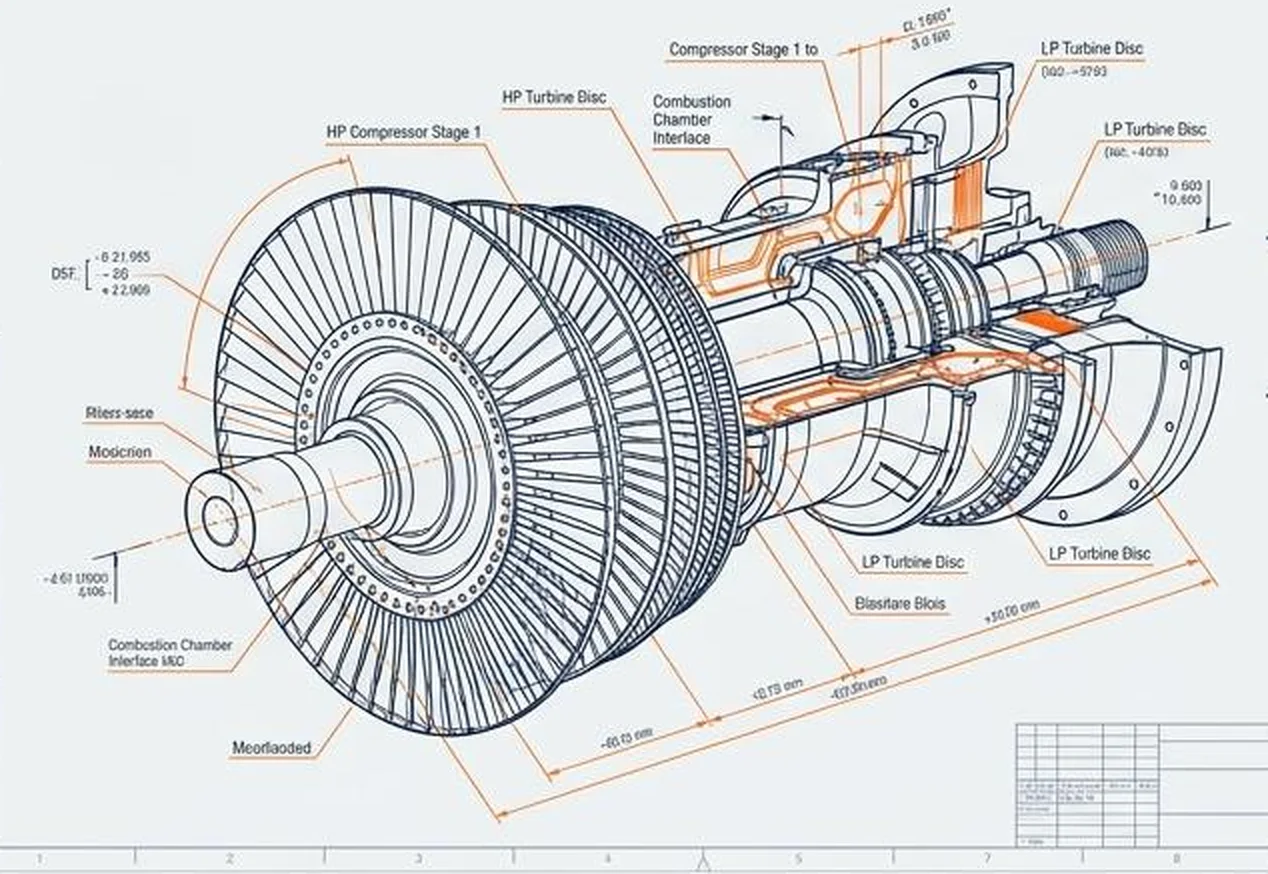
Technical visualisation
Why in Kazakhstan?
Cheap fuel, heavy industry that needs uninterrupted power and a grid that is sometimes insufficient: here, the plant that generates its own energy is the most profitable one.
Low gas costs
Natural gas prices in Kazakhstan are far below the world average. Fuel is the largest cost item in running a gas turbine.
Uninterrupted base load
Cement, mining, glass, MDF and textiles need constant power around the clock; solar and wind alone cannot provide it.
Grid risk
In remote industrial areas, grid capacity and quality can fall short; island mode removes the risk of downtime.
Heat as well as power
Steam and hot water demand is covered from exhaust heat – two products from one fuel.
Note: wholesale gas prices in Kazakhstan are regulated and are being raised step by step from 2026. Feasibility studies should use the current regional tariff.
How does a gas turbine work?
An industrial gas turbine works on the same principle as a jet engine – but instead of thrust it drives a generator on the shaft.
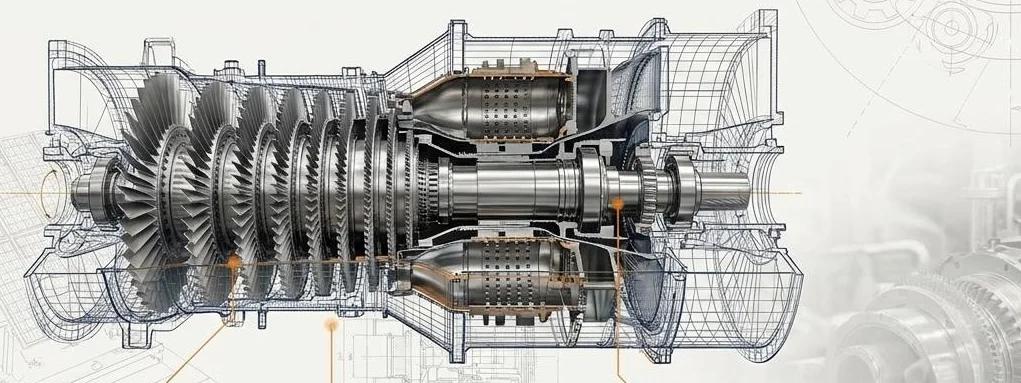
- Air intake
- Compression
- Combustion
- Expansion
- Electricity
- Exhaust heat
- 1
Compressor
Multi-stage blades draw in air and compress it to high pressure.
- 2
Combustion chamber
Natural gas is injected into the compressed air; continuous combustion produces very hot gas.
- 3
Turbine
The expanding hot gas spins the turbine blades; this energy drives both compressor and generator.
- 4
Generator
Converts shaft power into electricity – the plant produces its own power.
Cogeneration: power and steam from one fuel
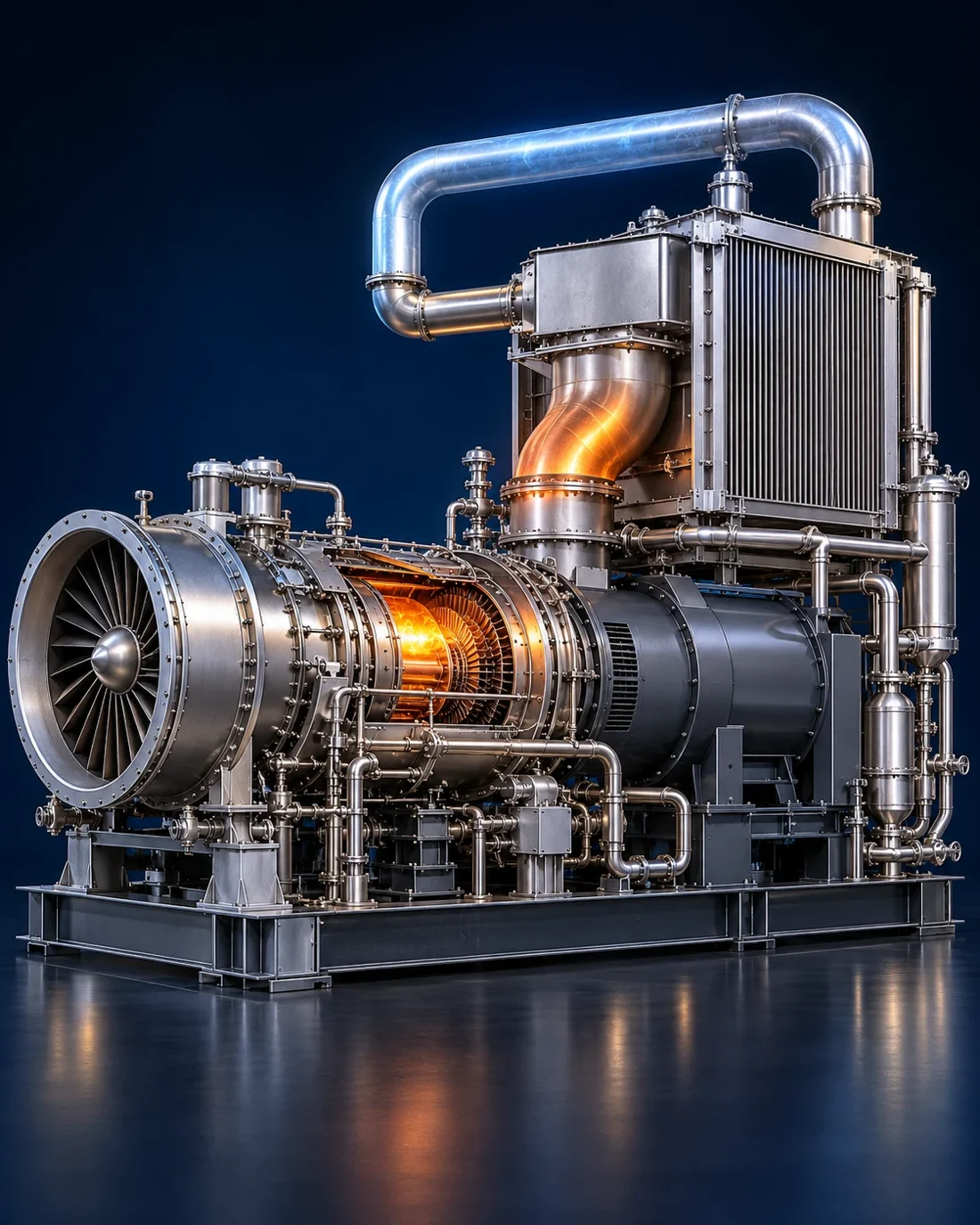
Instead of being released, the turbine’s 450–550 °C exhaust passes through a waste-heat boiler. Alongside electricity, the plant thus gets the steam and hot water it needs.
Hot exhaust · 450–550 °C
Total efficiency 80%+
- total fuel efficiency with cogeneration
- 80%+
- total fuel efficiency with cogeneration
- typical efficiency for power only
- 30–40%
- typical efficiency for power only
- example: steam from a 4.7 MW unit
- 11 t/h
- example: steam from a 4.7 MW unit
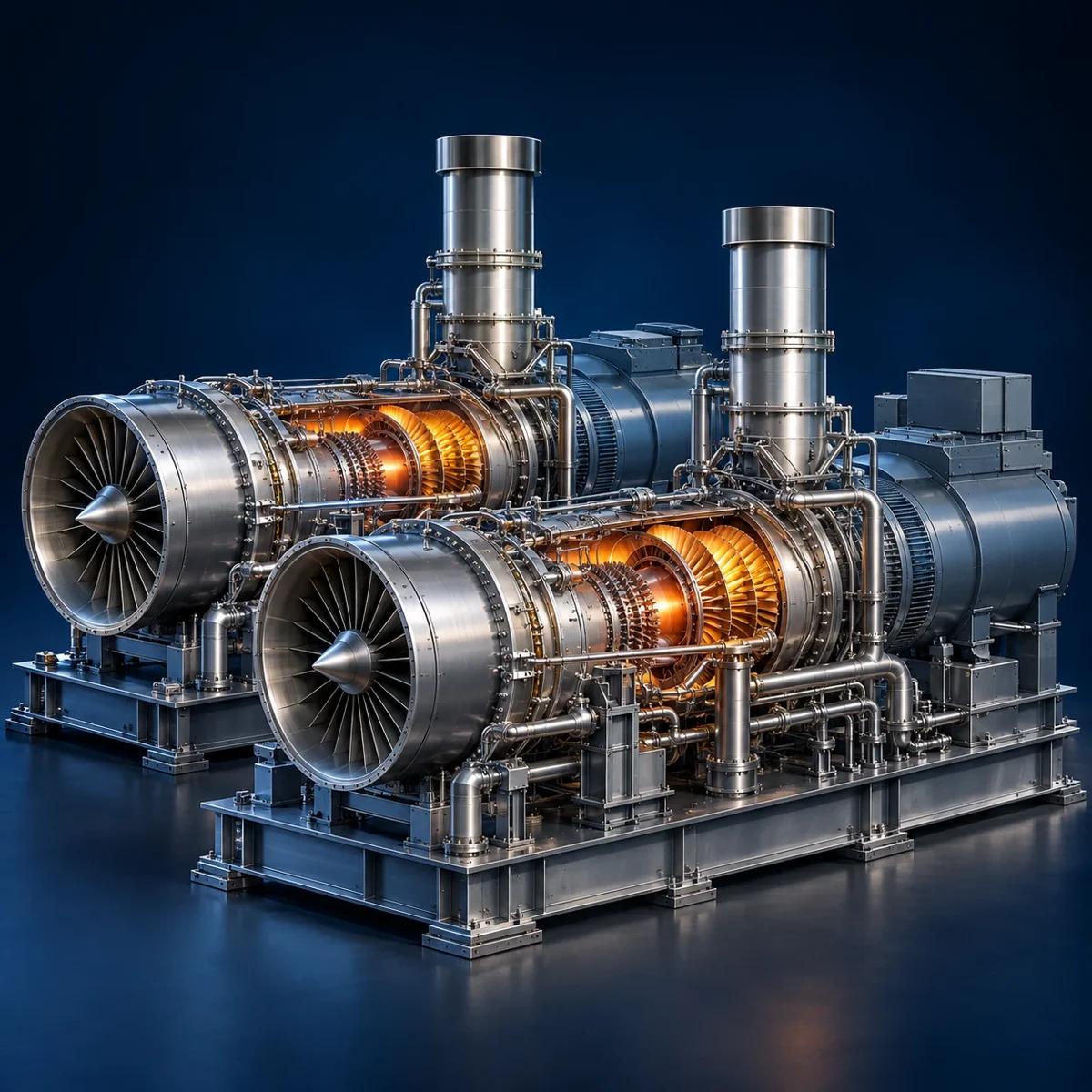
Island mode: grid-independent power
The plant is designed to supply the site on its own during grid outages or where there is no grid at all. Several turbines run in parallel and balance load changes.
- Production continues during grid failures
- No years of waiting for a new grid connection
- Modular expansion with extra units as load grows
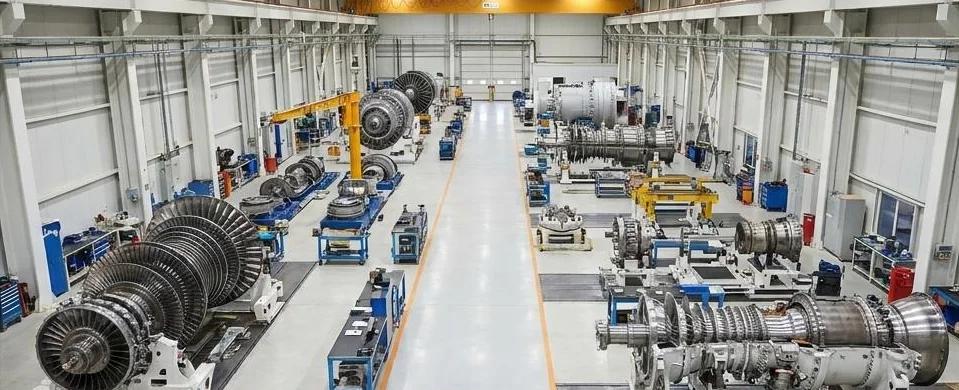
“Zero-hour” refurbishment: not second-hand, but remanufactured
Turbines and engines with a sound casing but expired service life are stripped down to the last bolt, worn parts are replaced with originals and the unit is returned to its ex-works condition.
- 1
Selection and sourcing
Careful selection of units with sound casings on the world market.
- 2
Diagnostics
Borescope inspection, vibration analysis and partial-discharge testing of the generator.
- 3
Non-destructive testing
Ultrasonic and NDT methods to find invisible cracks and fatigue.
- 4
Refurbishment
Rotor, blades and bearings renewed to micron precision; original parts.
- 5
Digital modernisation
Integration of current PLC, SCADA and automation software.
- 6
Test and installation
Performance verified on the test line; turnkey installation on site.
Rotor and blades
Tolerance testing of critical rotating parts and part replacement.
Casing
Stress and crack screening.
Bearings
Renewal and calibration to micron precision.
Heavy mechanical body, latest-generation digital brain
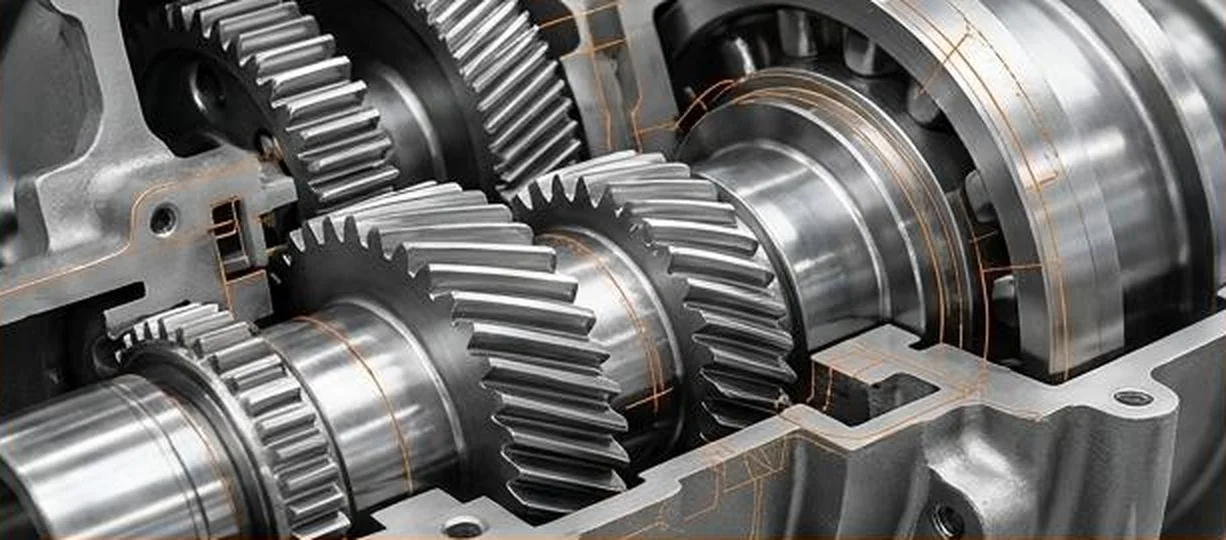
Mechanical durability
Older turbine casings are thicker than today’s lightweight designs and built for heavy-industry conditions.

Controls modernisation
The mechanically renewed system is fitted with current PLC, SCADA and remote-monitoring software.
Result: a remotely monitored plant that runs stably through grid fluctuations and load changes.
New equipment or a refurbished system
| Criterion | New equipment | Refurbished “zero-hour” system |
|---|---|---|
| Investment | New equipment:100% | Refurbished “zero-hour” system:40–60% lower |
| Lead time | New equipment:12–18 months or more | Refurbished “zero-hour” system:3–6 months |
| Payback | New equipment:4–6 years | Refurbished “zero-hour” system:2–3 years (with low-cost gas) |
| Performance | New equipment:100% of rated output | Refurbished “zero-hour” system:95–98% of rated output |
| Service agreement | New equipment:Long-term manufacturer agreement | Refurbished “zero-hour” system:Flexible, local maintenance agreement |
Example: if a turbine saving $100,000 a month in energy goes live one year earlier, the plant gains about $1.2 million of extra cash flow in the first year.
Gas cogeneration and solar in heavy industry
| Solar | Gas cogeneration | |
|---|---|---|
| Continuity | Solar:Intermittent, no output at night | Gas cogeneration:24/7 base load, island mode |
| Footprint | Solar:Large land area needed | Gas cogeneration:Compact, installed inside the plant |
| Heat / steam | Solar:Not possible | Gas cogeneration:Steam and hot water alongside power |
| Payback | Solar:Longer with batteries | Gas cogeneration:2–3 years with low-cost gas |
Solar is a good supplement; for industry with continuous operation and steam demand, gas cogeneration is the main source.
Examples from the field
- turbines commissioned
- 60+
- turbines commissioned
- installed capacity
- 450 MW+
- installed capacity
- countries, including Kazakhstan
- 10+
- countries, including Kazakhstan
Food plant · cogeneration
4.7 MW
A gas turbine unit produces 11 t of steam per hour in addition to electricity.
Iron, steel and mining · island mode
20.8 MW
In a region with an insufficient grid, 4 gas turbines supply the plant independently.
Wood / MDF plant
Harsh climate
Installation at an integrated plant with high heat and steam demand in a cold climate.
Which industries?
- Cement and building materials
- Mining and metallurgy
- Glass and ceramics
- Wood, MDF and paper
- Textiles
- Food and beverages
- Greenhouses (e.g. bananas)
- Chemicals and fertilisers
Support after commissioning
Advanced diagnostics
Vibration analysis, borescope inspection and partial-discharge measurement.
Spare parts
Fast, guaranteed supply from a large inventory.
24/7 field service
Fast response with a local team in Kazakhstan.
Generator expertise
Rewinding up to 35,000 kVA, rotor and stator testing.
Cost, time and efficiency values are typical ranges from our technology partner’s project experience and are calculated separately for each project. Gas prices: statements by QazaqGaz and Kazakhstan’s Ministry of Energy (2025–2026).
Request an energy needs analysis
Share your plant’s power, steam and hot-water demand – we will calculate the right turbine capacity, investment and payback for you.
- Suitable turbine / engine capacity
- Investment and operating costs
- Payback based on the gas tariff
- Installation schedule and maintenance model