Energy · E-mobility
EV charging infrastructure in Kazakhstan: demand is accelerating, chargers are falling behind
The number of registered electric cars in Kazakhstan rose by more than half in one year, and sales of plug-in vehicles tripled. Yet most charging stations are concentrated in a single city. Regional cities, intercity highways and homes are forming a new infrastructure market for investors.
Let’s talk about your charging project
Why is demand growing so fast?
Kazakhstan’s car market has changed markedly in a few years. Electric and plug-in hybrid models from China stand out on price, equipment and long warranties, while official dealer networks have built trust.
Fuel prices are speeding up the shift: in 2026 petrol prices rose sharply year on year, while the price of charging electricity rose only slightly. Charging at home is several times cheaper than petrol.
Low running costs
Home charging is far cheaper than fuel, and public fast charging keeps a cost advantage too.
Price and equipment
New models out-equip their rivals, and long warranties build confidence.
Continuing incentives
Vehicle tax and recycling fee exemptions remain; some cities offer free parking.
Trade corridor
The border with China and rising imports are expanding vehicle supply quickly.
Demand in numbers
Official statistics show electric vehicles still hold a small share but are growing very fast.
- registered electric cars (1 June 2026)
- 24,634
- registered electric cars (1 June 2026)
- growth in one year
- +56%
- growth in one year
- Almaty’s share
- 62%
- Almaty’s share
- plug-in hybrids’ share of plug-in vehicle sales (2026)
- ~72%
- plug-in hybrids’ share of plug-in vehicle sales (2026)
Most sales are plug-in hybrids. They mostly charge with AC at home, at work and in shopping centres, so the AC charger market matters at least as much as DC fast charging.
Where is the infrastructure gap?
The great majority of public charging stations are in Almaty. Across the rest of the country there is demand but few chargers.
- 1
Regional cities
Shymkent, Karaganda, Taraz and other regional capitals have only a handful of public stations, mostly in shopping centres.
- 2
Intercity highways
There are only 62 roadside stations nationwide. On the Astana–Almaty route (~1,200 km) they are 150–250 km apart – too far in winter, when consumption rises.
- 3
Connector mismatch
Chinese vehicles use GB/T, European ones CCS2. Single-connector stations create queues; dual-connector units are in demand.
- 4
Homes and workplaces
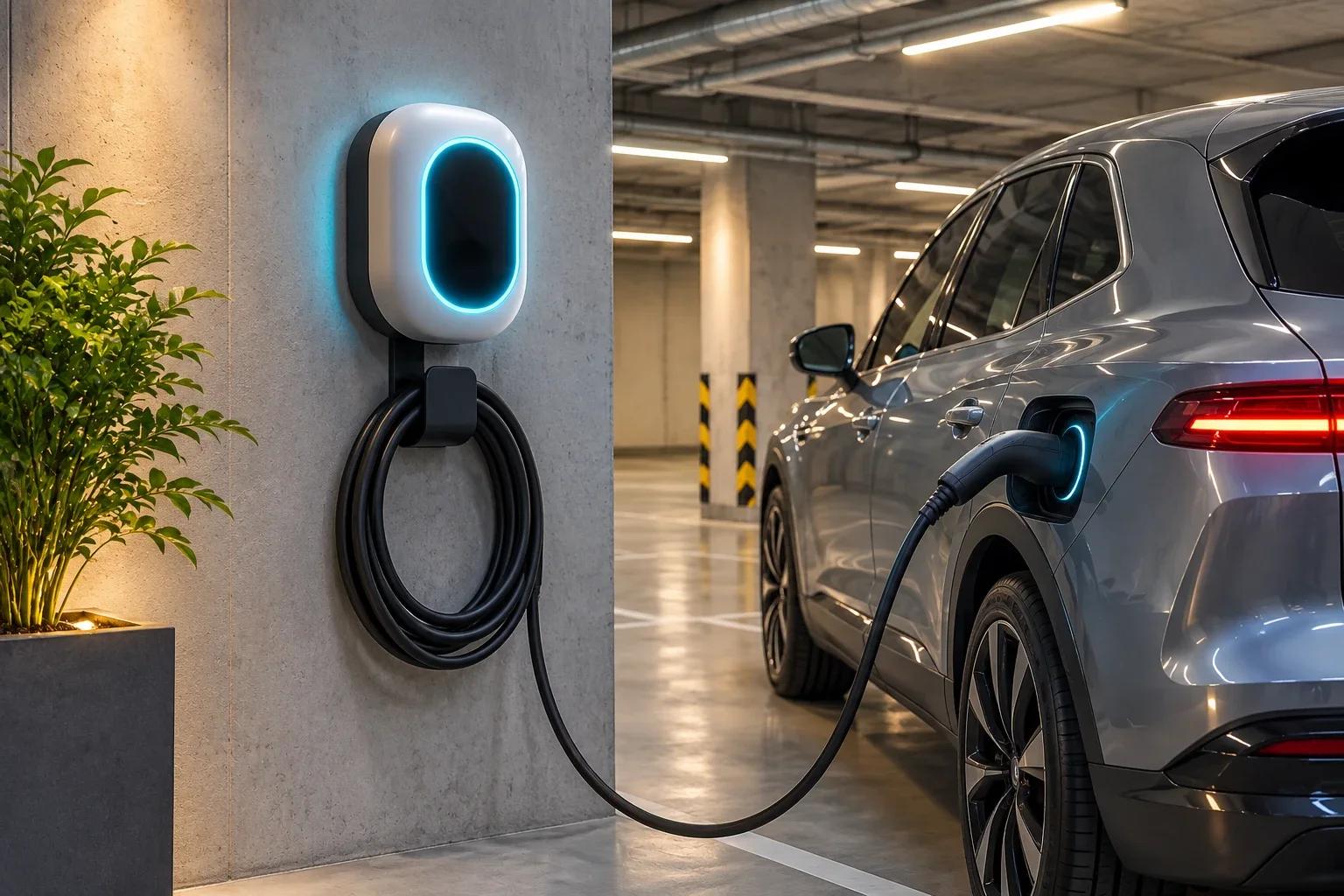
Demand for AC wallboxes for plug-in hybrids is rising fast; residential complexes, offices and hotels are largely unprepared.
Market entry requirements
The technical and legal requirements for selling and operating chargers in Kazakhstan are becoming clear. Products and projects that meet them from the start gain an edge.
Dual connector
GB/T + CCS2 in one unit for fast charging; Type 2 and, where needed, GB/T for AC.
EAEU certification
Certification under Eurasian Economic Union technical regulations (low voltage, EMC), issued to an applicant registered in the Union.
Metrological type approval
Energy, voltage, current and time measurements during charging are under state metrological control; each device type or batch needs testing and approval.
Cold climate
Temperatures below −40 °C in the north: heated enclosures, cold-resistant cables and high IP ratings are a must.
Software and payment
OCPP protocol, Russian and Kazakh interface, local card and QR payment, integration with existing networks.
From 1 December 2026, measurements at charging stations are under state metrological control. Type approval should start before installation.
Opportunities by segment
The infrastructure gap creates distinct markets with different power levels and business models:
- DC 160–720 kW
Highway charging hubs
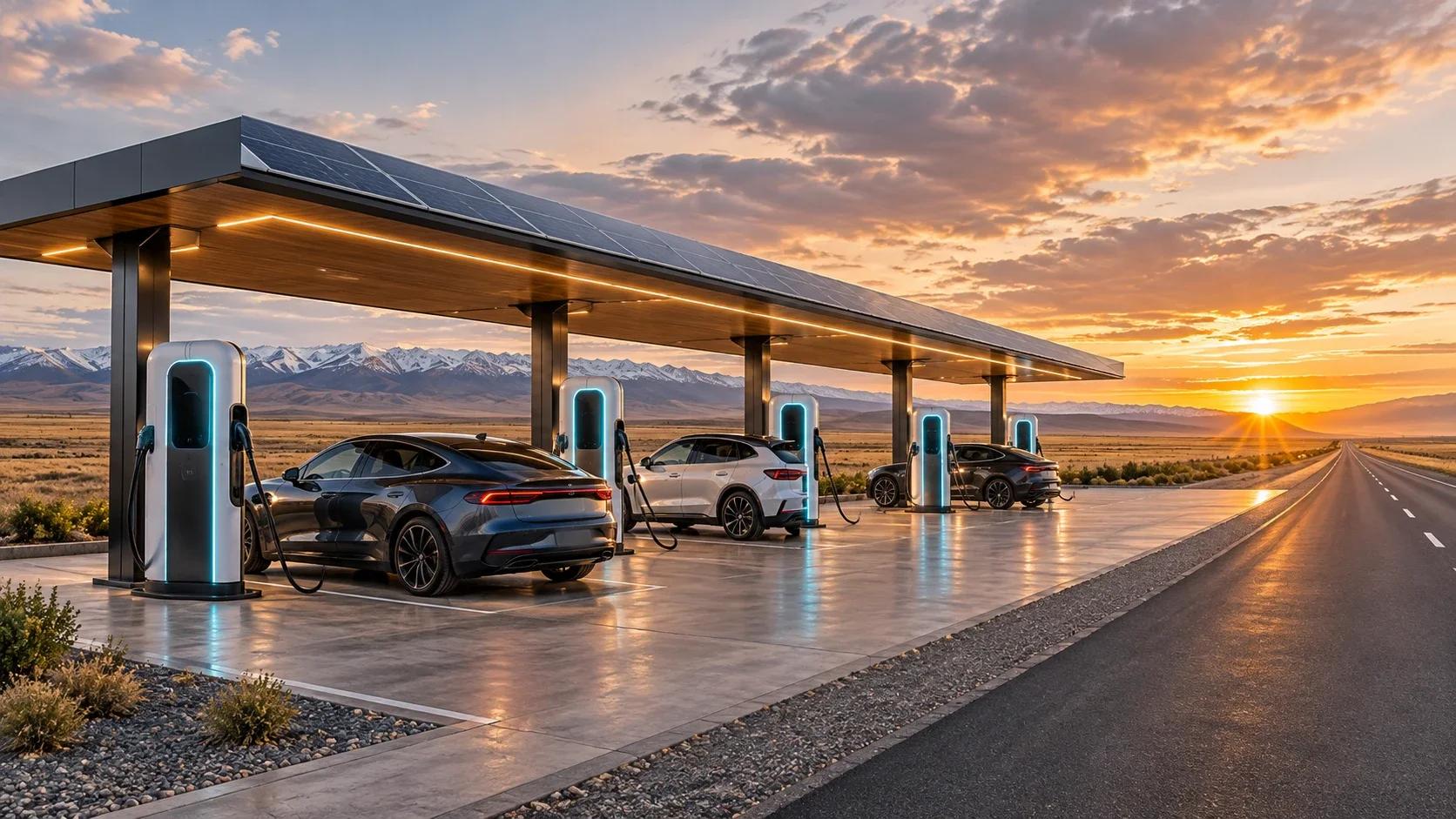
High-power, multi-vehicle hubs on the Astana–Almaty and southern corridors; the state plans chargers at 27 new roadside facilities in 2026.
- DC 120–240 kW
Fuel stations
Adding fast chargers to existing fuel station networks, with grid connections in place and heavy traffic.
- DC 60–120 kW · AC 22 kW
Malls, hotels and car parks
The first stop for public charging in regional cities; medium power that matches dwell time.
- DC 240–720 kW
Fleets, buses and logistics
Depot charging for city buses, taxi and delivery fleets; e-truck charging on transit corridors.
- AC 7–22 kW
Homes and workplaces
AC wallboxes; bulk installations for residential complexes, offices and dealerships.
- Solar + battery
Roads with a weak grid
Off-grid stations with solar power and battery storage on remote routes.
How Hofmann Invest takes part in these projects
With our local presence in Kazakhstan we can take on three roles in charging infrastructure projects:
Investor and project partner
As equity partner and local operating partner in charging network investments.
- Site search: fuel stations, malls, hotels, car parks and roadside
- Grid connection and permits
- Organising installation, operation and service
- Tracking public and roadside tenders
Local manufacturing adviser
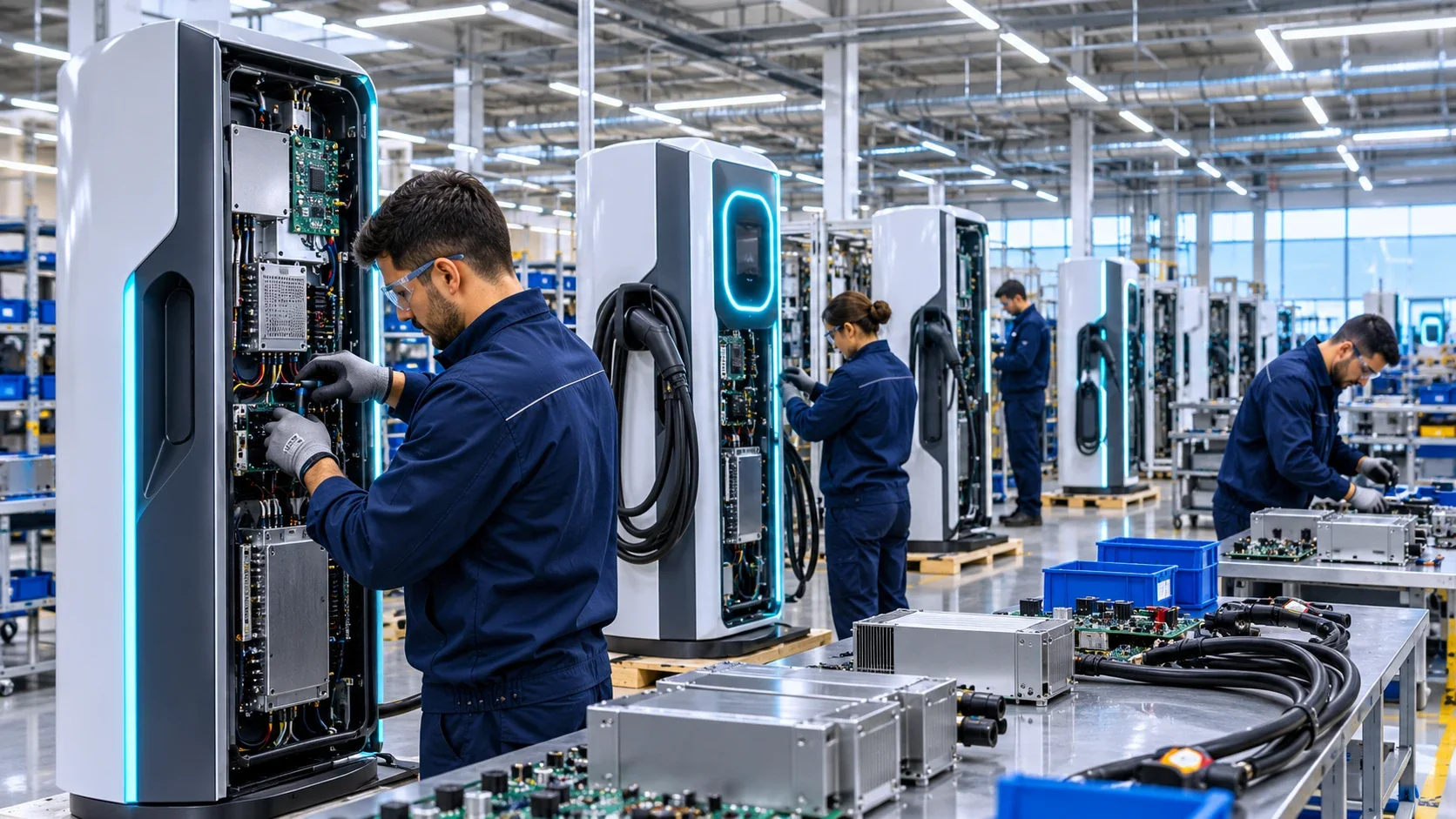
End-to-end advice for assembling and manufacturing chargers in Kazakhstan.
- Local assembly model with SKD kits
- Localisation level and state incentives
- EAEU certification and metrological type approval
- Plant site, equipment and local supply chain
Distributor
Supplying AC and DC units that fit conditions in Kazakhstan.
- Selecting GB/T + CCS2 units rated for −40 °C
- Import, customs and certification
- Stock, spare parts and Taraz-based service
- Sales to dealers, fleets and corporate customers
Demand for electric vehicles in Kazakhstan is already here; what is missing is the infrastructure to serve it. Those who close this gap first – with the right equipment, the right sites and the right local partner – will shape the next decade’s energy network.info@hofmanninvest.com
Let’s talk about your charging project
Investment, local manufacturing or distribution: share your interest and scale, and we will work out the right model together.
- Site and location proposals
- Equipment selection and technical requirements
- Certification and metrology timeline
- Investment, assembly or distribution model
Sources: Bureau of National Statistics of Kazakhstan; Ministry of Trade and Integration; Ministry of Transport; Inform.kz; Kapital.kz; Zakon.kz; Bizmedia.kz; Hofmann Invest market research (2026).
This page is for information only and is not investment advice. Figures reflect data at the time of publication and may change. Images are representative.