Critical minerals and industrial energy storage
From raw-material exports to high technology: critical minerals, safe energy storage for heavy industry and engineering from cell to system
- Uranium · Tungsten · Lithium · Rare earths
- LFP energy storage
- Cell to system
The era of “easy mining” is over
Kazakhstan aims to add value by processing its resources at home instead of selling them raw. Investors are now expected to bring technology and local plants – not just seek access to deposits.
| Criterion | Old model | New strategy (2026) |
|---|---|---|
| Production focus | Old model:Export of raw ore and concentrate | New strategy (2026):Processed products, alloys, technology components |
| Role of the state | Old model:Broad privatisation | New strategy (2026):Priority rights and partnership in strategic minerals |
| Expected of investors | Old model:Access to raw materials | New strategy (2026):Technology transfer and local plants |
| Exploration | Old model:Known, easy deposits | New strategy (2026):AI-assisted exploration and deep deposits |
Critical minerals: Kazakhstan’s strategic strength
In the minerals needed for the energy transition and defence industry, Kazakhstan is among the world’s leading suppliers.
Uranium
39%
Share of world production in 2024; the world’s largest producer since 2009. The goal is to move up the nuclear fuel cycle.
Tungsten
12,000 t/yr
Planned output of two giant deposits in central Kazakhstan, about 15% of world mine production. Investment of about $1.1 billion, with refining in-country planned.
Lithium
New fields
Deposits in East Kazakhstan and the Aral basin are emerging lithium prospects; commercial output targeted in the medium term.
Rare earths
$1 bn
2025–2030 financing programme for mining and processing rare and critical metals; terms up to 20 years.
Multi-vector diplomacy: working with everyone
European Union
Battery and green hydrogen value chains
United States
Tungsten and rare-earth processing
China
Logistics integration, uranium and tungsten
United Kingdom
Circular economy and local processing
South Korea
Lithium exploration and processing
Türkiye
Middle Corridor and industrial partnerships
2026 incentives and financing
The new Tax Code in force since 1 January 2026 and state funds support exploration and processing on site.
₸40.7 bn
Exploration fund 2026
About $82 million; about ₸240 bn (~$500 million) over three years.
$1 bn
Critical minerals financing
Development Bank programme 2025–2030; terms up to 20 years with grace periods.
0%
New low-profit deposits
No mineral extraction tax for 5 years.
×0.1
Recovery from mining waste
For minerals from technogenic formations the tax rate drops to one tenth.
100%
Exploration investment deduction
Construction, equipment and software spending by exploration companies is fully deductible.
Digital
Licensing and geology
Online licensing and AI-based discovery of “blind” deposits from legacy geological data.
Note: the date of the switch from mineral extraction tax to royalties for solid minerals is not yet final. Eligibility must be confirmed for each site.
Value chain: from raw material to high technology
- 1Mining
- 2Refining
- 3Cathode material
- 4Battery cell
- 5Electric vehicle
- 6Energy storage
Demand is rising, the grid is under strain
Power demand is driven mainly by energy-intensive industry. With ageing plants and too little flexible capacity, mines and heavy industry need their own storage and back-up power against outages.
Source: industry reports (GlobalData). Official forecasts with a different scope are higher.
TWh
Why LFP for heavy industry?
Central Asia’s climate from −30 °C to +70 °C, underground vibration and the high current spikes of heavy machines exceed the limits of standard lithium-ion batteries. Lithium iron phosphate (LFP) cells are built for these conditions.
| Criterion | Standard Li-ion | Industrial LFP |
|---|---|---|
| Cycle life | Standard Li-ion:~1,000–2,000 cycles | Industrial LFP:4,000+ cycles |
| Operating temperature | Standard Li-ion:0 … +45 °C | Industrial LFP:−30 … +70 °C |
| Thermal safety | Standard Li-ion:Fire risk | Industrial LFP:No ignition under puncture or overload |
| Peak power | Standard Li-ion:Low / medium | Industrial LFP:Very high short pulses |
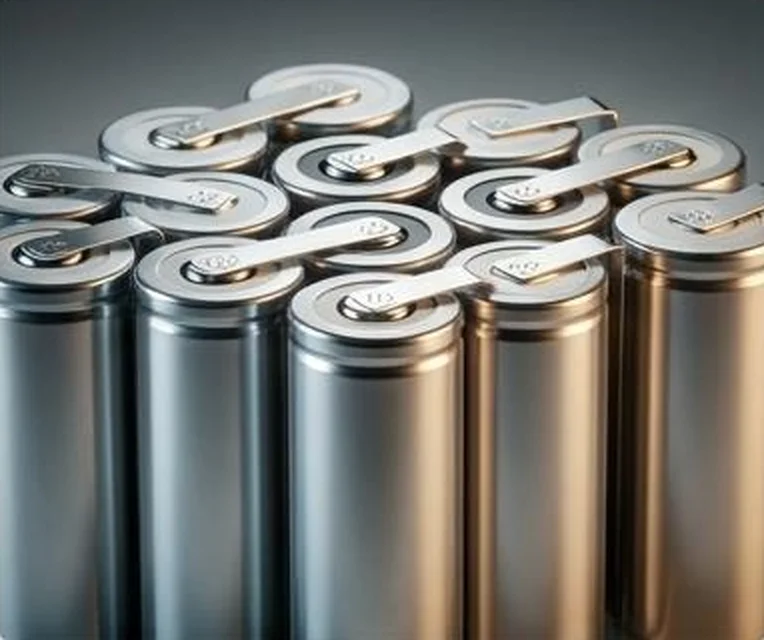
Power cells
- High continuous discharge, very high pulse current
- Robust under load spikes
Drills and crushers, heavy mining machines, starters, automated guided vehicles (AGV)
Energy cells
- High capacity and energy density
- Long life, stable discharge
Grid-scale storage, mining-camp back-up power (UPS), rail and heavy e-mobility
Values depend on cell type and use and are confirmed against manufacturer data sheets for each project.
From cell to system: engineering under one roof
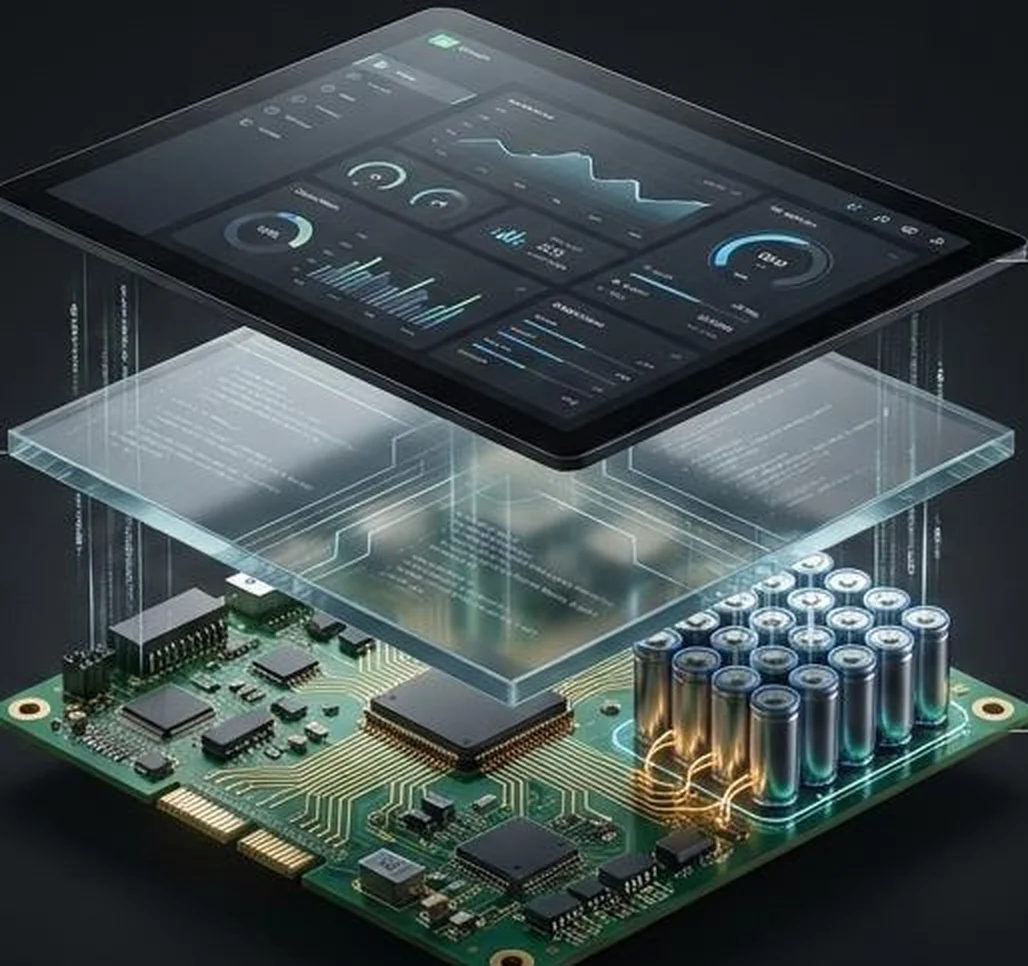
Value is created by the engineering that turns a cell into a system that works safely in the field. Our technology partner’s team keeps electronics, software and battery assembly under one roof, removing costly hand-offs between disciplines.
- 01
Electronics design
Custom ARM and RISC-V boards, multilayer PCB, FPGA; power electronics with SiC, IGBT and GaN, chargers and motor controllers.
- 02
Embedded software
Firmware, board support packages and drivers on real-time operating systems and embedded Linux.
- 03
System and interface software
Operator screens (HMI), SCADA and telemetry integration; Modbus and CAN communication.
- 04
Battery pack
Shock- and vibration-proof packs with smart BMS, scalable from 12.8 V to 1,200 V.
Physical chain
Cell
Industrial LFP power and energy cells in cylindrical formats.
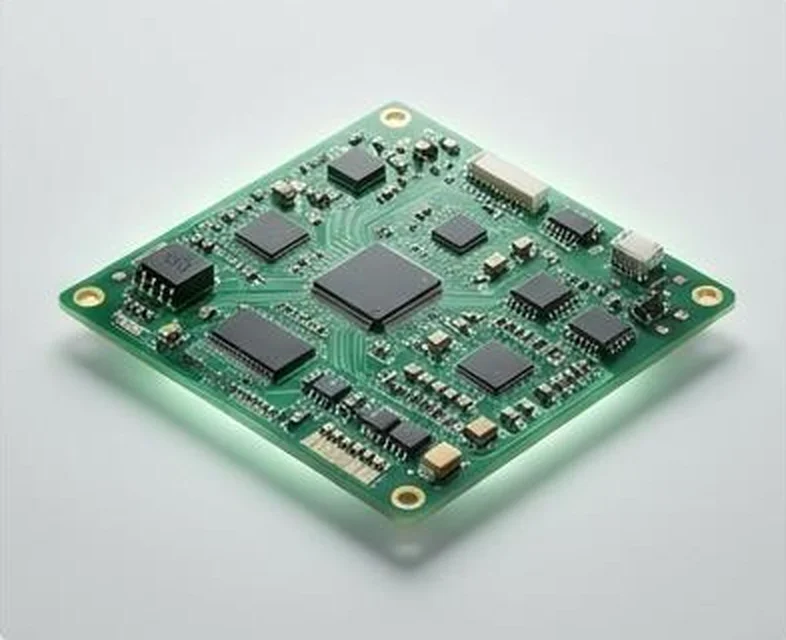
Management (BMS)
Cell balancing, thermal protection, state-of-charge and state-of-health monitoring.
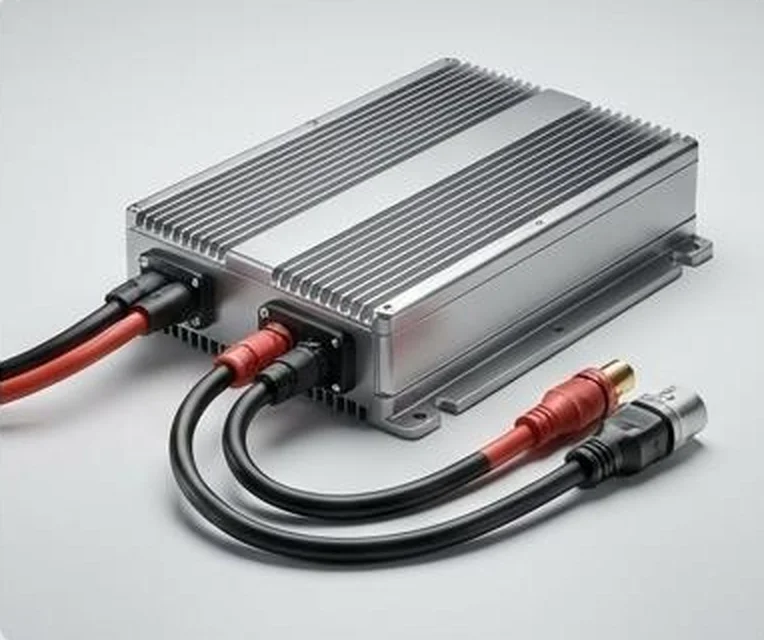
System
Smart, field-ready packs designed and welded in-house.
Pack production in 6 steps
- 1
Cell selection
Chemistry and topology; pack optimisation with real cell measurements.
- 2
Mechanical and thermal design
Enclosure and heat path designed together with the electronics.
- 3
BMS integration
Balancing, CAN/RS-485 communication and state monitoring.
- 4
Spot welding
Controlled-energy resistance welding for cylindrical cells.
- 5
Laser welding
Low-heat, contactless welding for busbars and terminals.
- 6
End-of-line test
Capacity and electrical testing; full traceability by barcode/QR.
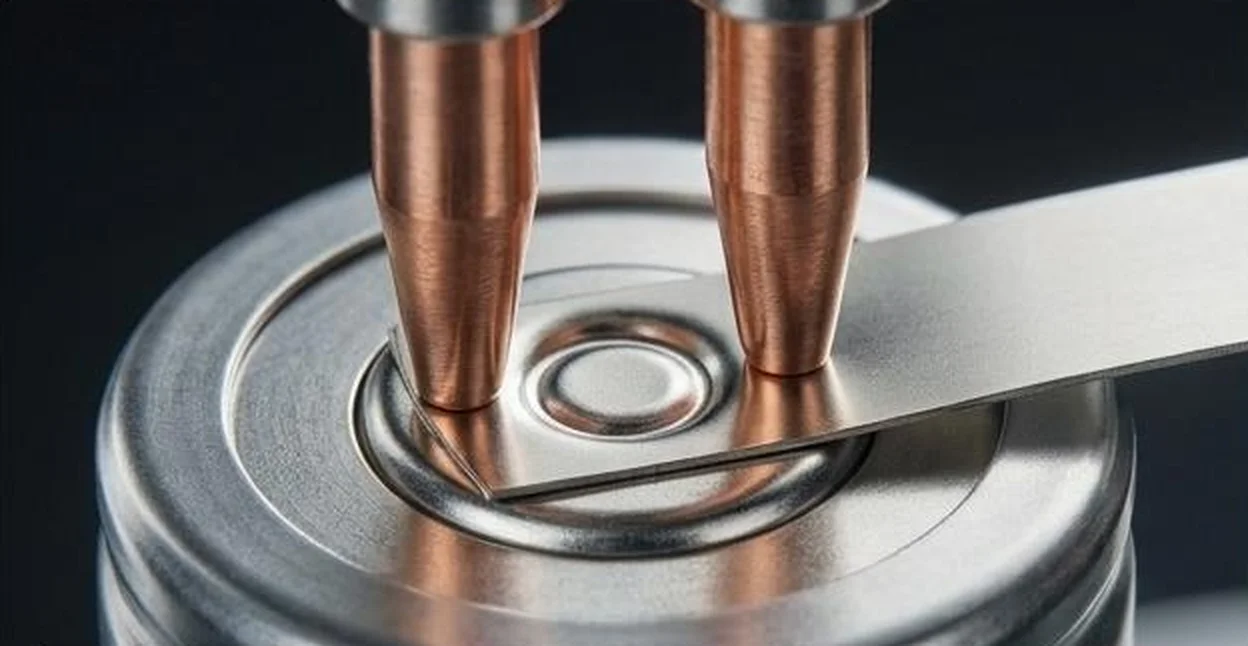
Spot welding
Controlled energy, repeatable quality.
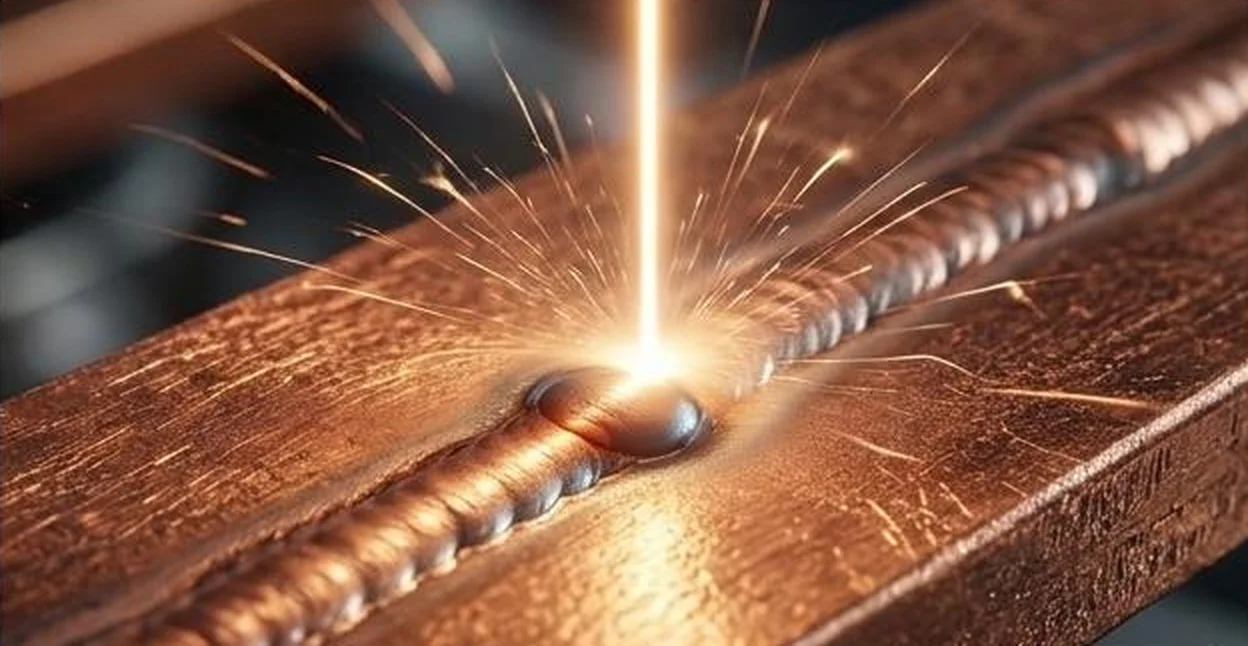
Laser welding
Low heat input, high strength.
On completion, all intellectual property in the software and hardware developed passes to the customer.
Applications
Mining-camp back-up power (UPS)
Uninterrupted supply at remote sites; the fastest decision cycle.
Heavy mining equipment
High-current packs for drills, crushers and underground vehicles, and diesel conversion.
Grid energy storage
Balancing between renewable and conventional plants.
Rail and e-mobility
Back-up power, heavy electric vehicles and terminal equipment.
Ports and marine
Electrification and back-up at Caspian ports.
Certification and compliance map
Cell
- UL 1642
- IEC 62133
- IEC 62619
- UN 38.3 (transport)
- UL 1973 (stationary storage)
Pack and equipment
- IECEx / ATEX (explosive atmospheres)
- IP protection class
- Shock and vibration tests
- End-of-line electrical test
Regional
- Eurasian Economic Union technical regulations (TR TS)
- EAC marking
- KAZRC reporting standard
- Labels and documents in Russian/Kazakh
Certification scope is confirmed for each product and application before quotation; completeness of documents decides tenders.
The role of Hofmann Invest
We bring global cell technology and an experienced engineering team together with conditions on the ground in Kazakhstan.
On-site needs assessment
Identifying the battery, storage and back-up power needs of mines and industrial plants.
Incentives and regulation
Tax incentives, financing programmes and local certification.
Technology transfer
Not just imports: know-how sharing and local engineering capacity in Kazakhstan.
Logistics and field support
Supply via the Middle Corridor and the port of Aktau; installation and field support.
90 days to the first pilot
Day 1–15
Scope and file
Data sheets, certification file and definition of the target application.
Day 15–45
Contact and specification
Meetings with mining and energy companies; BMS workshop; 2–3 pilot scenarios.
Day 45–75
Quote and cost
Pilot quotations, total cost of ownership (TCO) and logistics plan.
Day 75–90
Pilot order
First pilot order or letter of intent; second-phase plan for grid storage.
Ways of working
Turnkey project
Full responsibility from planning to delivery; fixed time and cost frame.
Dedicated development team
Expert engineers join your team; you keep control.
Research and development
Feasibility, prototyping and technical risk analysis.
Technology consulting
Review of existing solutions and choice of the right technology.
Technical values are typical ranges and vary by cell type. Incentives and tax rates must be confirmed under current law. Sources: Government of Kazakhstan, Development Bank, World Nuclear Association (WNA), 2026 Tax Code summaries, industry reports.
Request a pilot project
Tell us about your plant’s energy, back-up power or equipment battery needs – together we will assess the solution, certification scope and cost.
- Application-specific battery and BMS concept
- Data sheets and certification file
- Total cost of ownership (TCO) calculation
- Pilot schedule and logistics plan